Building Money Habits: How to Master Your Finances Step by Step
If you’ve ever wondered how some people seem effortlessly good with money, the secret isn’t luck: it’s building money habits. It starts with developing a healthy money mindset and then turning that mindset into action. Good financial habits make managing money feel natural, not stressful. With small, consistent actions, you can save more, spend wisely, and create lasting financial stability.
In this guide, we’ll explore how to form positive money habits, avoid common pitfalls, and use digital tools like Finny to stay on track.
What Are Money Habits?
Money habits are the routines and behaviors that shape how you earn, spend, and save. Just like brushing your teeth or exercising, good financial habits build long-term results over time.
Examples of Positive Money Habits
- Tracking your spending regularly
- Saving a fixed percentage of your income
- Paying bills on time
- Reviewing your budget monthly
- Avoiding impulse purchases
These habits might seem small individually, but together they help you grow wealth and confidence.
How to Build Strong Money Habits
Developing strong money habits takes intention and consistency. Here’s how to start:
- Track your current spending. Before changing your behavior, understand where your money actually goes.
- Set small, realistic goals. For example, save $50 a week or reduce dining-out expenses by 20%.
- Automate everything. Automate savings transfers and bill payments so you never forget.
- Review weekly. Check in with your budget to see what’s working and what needs adjusting.
- Reward progress. Celebrate small milestones to keep motivation high.
💡 Pro Tip: Tie new habits to existing ones. For example, review your spending every Sunday evening while planning your week: it makes consistency easier.
Common Mistakes or FAQs
1. Why do most people struggle to build money habits?
Because they try to change too much at once. Focus on one habit at a time for sustainable results. If traditional habit-building advice keeps falling apart for you, our guide on how to track money with ADHD covers approaches that survive past day three.
2. How long does it take to build a money habit?
Research suggests it takes around 60 days to make a habit stick: consistency is key.
3. What’s the best first habit to start with?
Start by tracking expenses daily or weekly. Awareness is the foundation for better decisions.
Tools or Examples
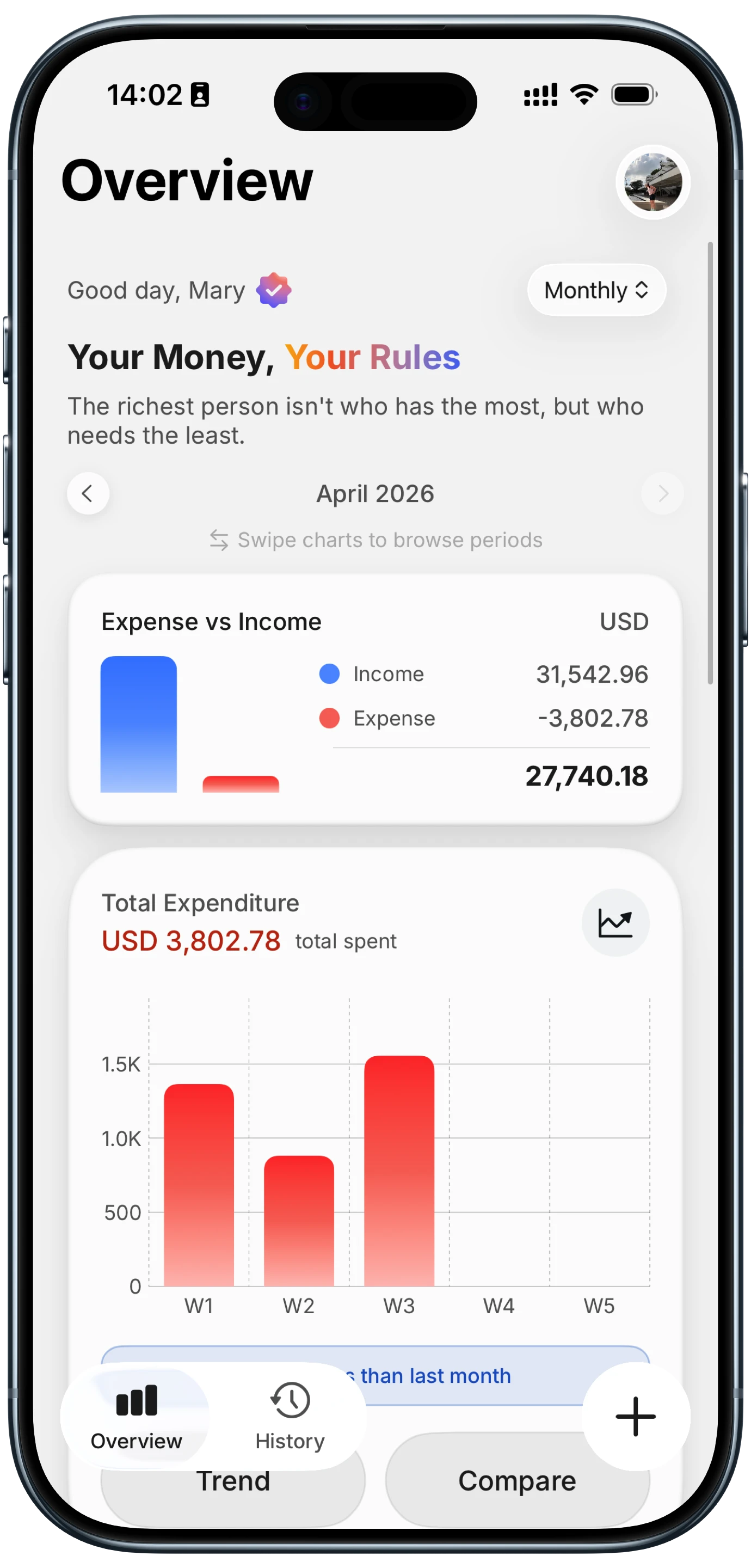
Finny helps you build money habits effortlessly by automating expense tracking, categorizing spending, and visualizing progress.
It turns financial awareness into a daily routine you’ll actually enjoy.
Other great tools include:
- PocketGuard: for tracking what’s safe to spend.
- Habitica: gamify your financial habits to stay motivated.
Each tool encourages consistency: the true key to lasting financial success. For a broader roadmap covering budgeting, saving, and investing, see our complete guide to personal finance.
Conclusion: Make Good Money Habits Stick
Building money habits isn’t about perfection: it’s about progress. Small, repeatable actions add up to major change. Start today, and your future self will thank you.
Start Building Habits Today
You don’t need a finance degree to plan your future: just the right mindset and tools.
Try Finny: your beautifully simple iOS finance tracker that helps you budget, track, and grow with ease.