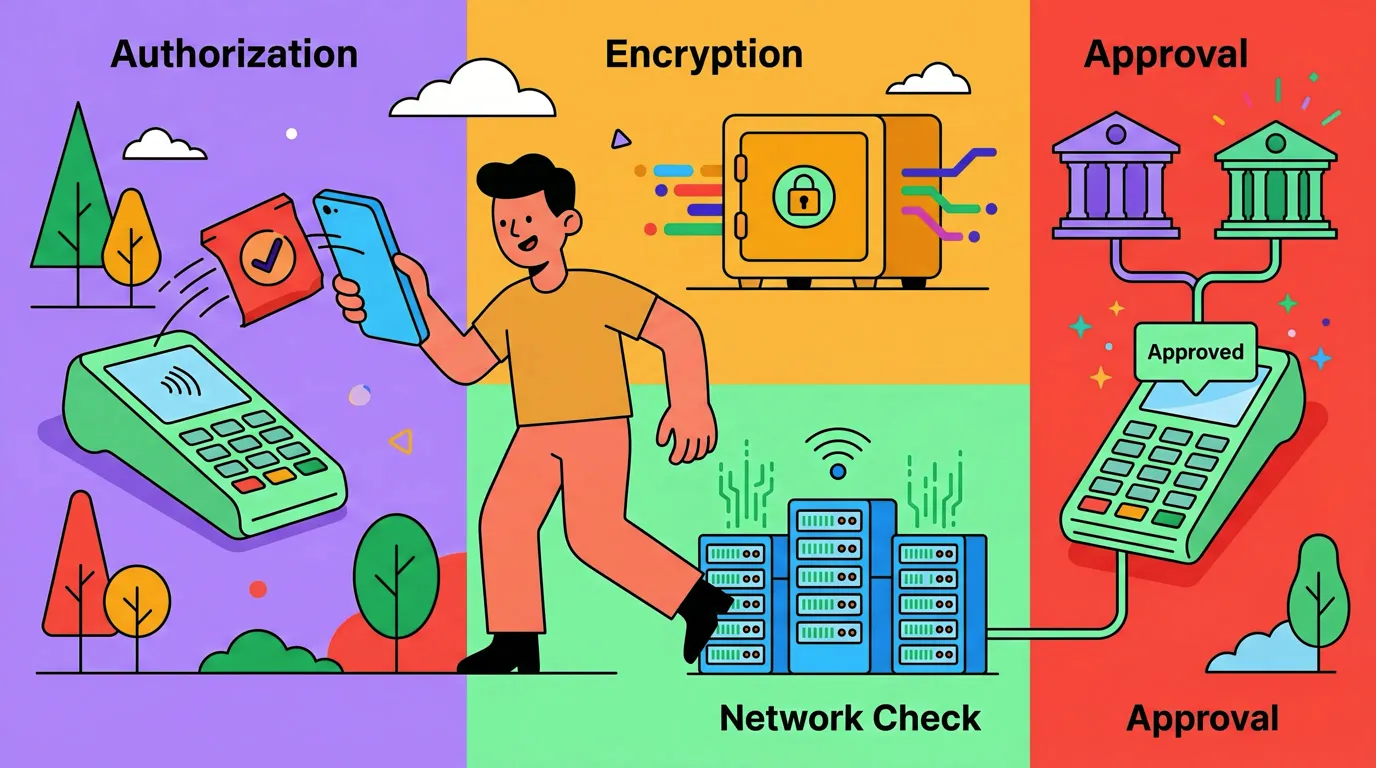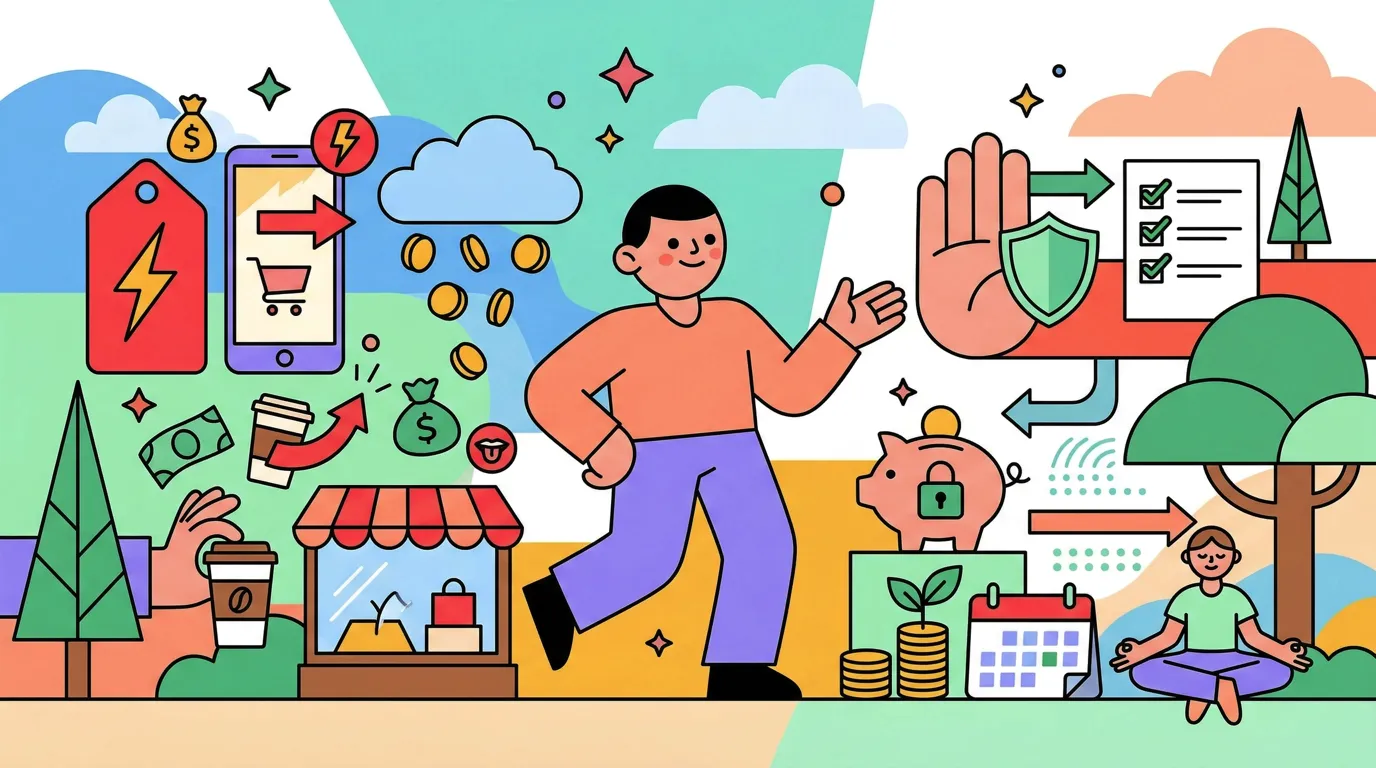
Everyone has moments where money leaves their wallet faster than expected. Maybe it is a rough day at work that ends with an online shopping spree. Maybe it is scrolling through Instagram and suddenly needing something you did not know existed five minutes ago. Maybe it is walking into a store for one item and leaving with six.
These moments are not random. They follow patterns, and those patterns have a name. A spending trigger is any emotional state, environment, or situation that prompts you to spend money impulsively or unnecessarily. Understanding your personal triggers is one of the most practical steps you can take toward better money management. For a broader look at controlling impulsive purchases, see our guide on how to stop overspending.
What Is a Spending Trigger
A spending trigger is a cue, either internal or external, that leads you to make a purchase you had not planned. It is the difference between buying groceries because your fridge is empty and buying groceries because you are bored and wandering through a store feels like something to do.
Triggers fall into two broad categories:
Emotional triggers come from within. They are tied to how you feel: stressed, sad, bored, anxious, or even happy. Spending becomes a way to regulate or enhance an emotional state rather than fulfill an actual need.
Situational triggers come from your environment. They are tied to where you are, who you are with, or what you are exposed to: a sale notification, a friend suggesting dinner out, a convenient store layout, or the ease of one-click purchasing.
Most people experience a combination of both. A stressful day (emotional) combined with a push notification about a flash sale (situational) creates a stronger urge to spend than either factor alone.
Common Types of Spending Triggers
Understanding the most frequent triggers helps you recognize them in your own life. Here are the categories that show up most often in spending data.
Stress and Anxiety
Stress spending is sometimes called "retail therapy," but it is more accurately described as emotional regulation through purchasing. When you are stressed, buying something provides a brief dopamine hit. The new item feels like a reward or a comfort. The relief is real but temporary, and it often leads to guilt once the credit card statement arrives.
Common patterns include online shopping after a difficult workday, upgrading to premium options when feeling overwhelmed ("I deserve this"), and impulse purchases during periods of uncertainty about jobs, relationships, or health.
Boredom
Boredom spending is subtle because it does not feel emotional. It feels like browsing. You open a shopping app because you have nothing else to do. You walk through a mall to kill time. You add items to a cart just to see the total. Then, at some point, browsing becomes buying.
The data often shows boredom spending concentrated on weekends, late evenings, or during downtime between activities. The purchases tend to be small individually but significant in total.
Social Pressure
Spending to match the habits of people around you is one of the hardest triggers to manage because it does not feel like pressure in the moment. It feels like participation. Splitting a dinner bill at an expensive restaurant, buying rounds of drinks, keeping up with a friend group's travel plans, or purchasing gifts at a level that strains your budget.
Social spending is not always about keeping up appearances. Sometimes it is about belonging. Saying "I cannot afford that" feels vulnerable, so people spend to avoid the conversation entirely.
Sales, Deals, and Urgency
"50% off" is only a good deal if you needed the item at full price. Yet limited-time offers, flash sales, and countdown timers create a sense of urgency that bypasses rational evaluation. The fear of missing out on a deal overrides the question of whether you need the item at all.
This trigger is heavily engineered. Retailers design sale events, email campaigns, and app notifications specifically to activate urgency-based spending. Recognizing this does not make you immune, but it does give you a moment of awareness before clicking "buy now."
Convenience and Friction Removal
Saved payment methods, one-click ordering, and subscription services reduce the friction between wanting something and owning it. When buying requires effort (driving to a store, entering card details, waiting in line), you have natural pause points to reconsider. When buying requires a single tap, those pause points disappear.
This is not inherently bad. Convenience is valuable. But it means you need to build your own pause points deliberately, since the purchasing process will not provide them. One concrete way to add friction back: shift problem categories to cash. Our card-first to cash-tracking guide walks through the swap.
How to Identify Your Personal Spending Triggers
Knowing the common categories is useful, but the real value comes from identifying which triggers affect you specifically. This requires data, not guessing.
Review Your Spending History
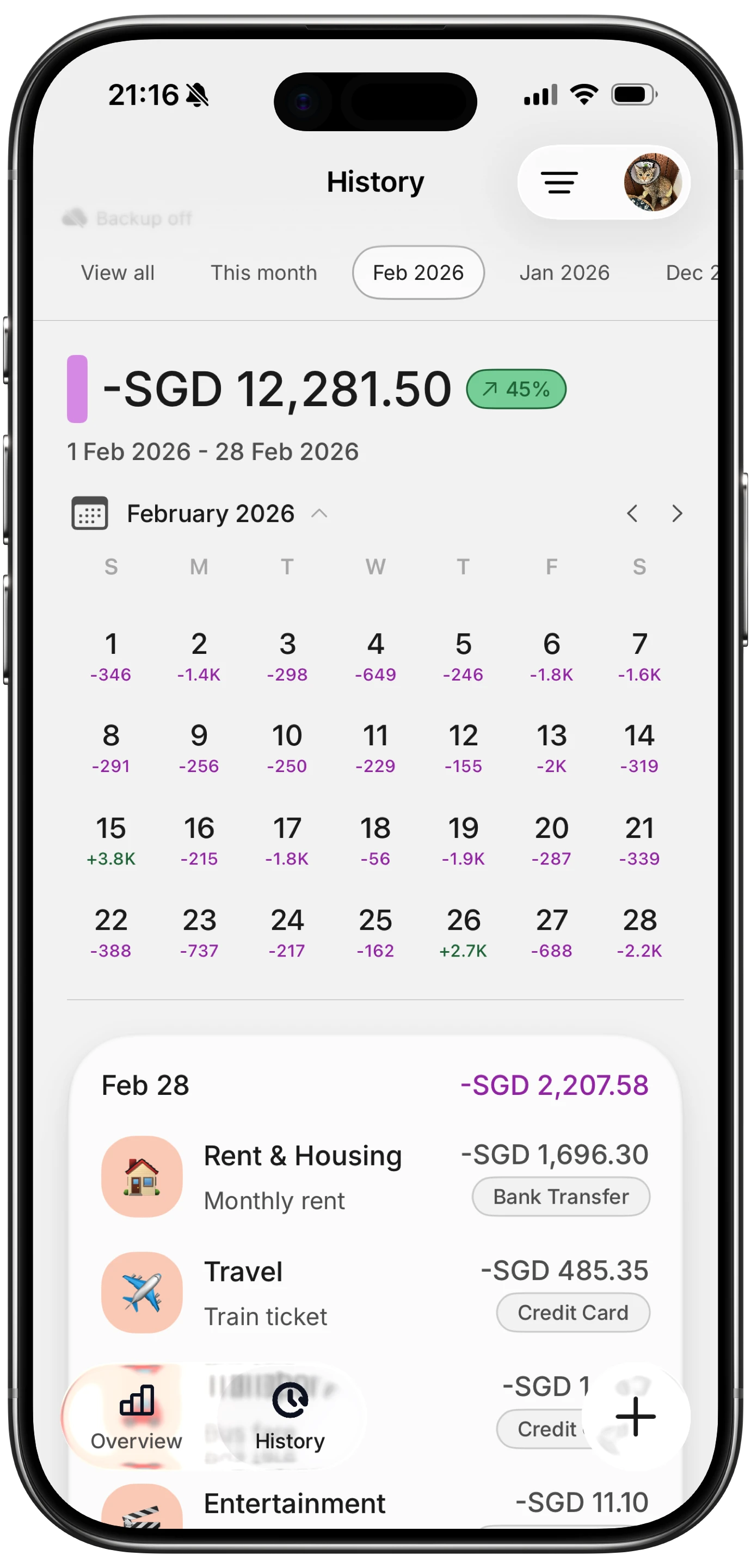
Finny app's History calendar feature
Start by looking at your recent transactions. Focus on purchases that were unplanned, meaning anything you did not intend to buy before the moment you bought it. For each one, ask:
- What were you feeling? Stressed, bored, happy, anxious, tired?
- Where were you? At home, in a store, at work, with friends?
- What time was it? Morning, lunch break, late evening?
- What prompted the purchase? A notification, a conversation, an ad, physical proximity to a store?
Patterns will emerge. Maybe you spend more on weekday evenings. Maybe your food delivery spending spikes when you are working late. Maybe you buy more after social media browsing sessions.
Track Daily Spending with Notes
The most effective way to identify triggers is to log expenses as they happen, with a short note about the context. Not just "coffee, $5" but "coffee, $5, felt tired after meeting, wanted a pick-me-up."
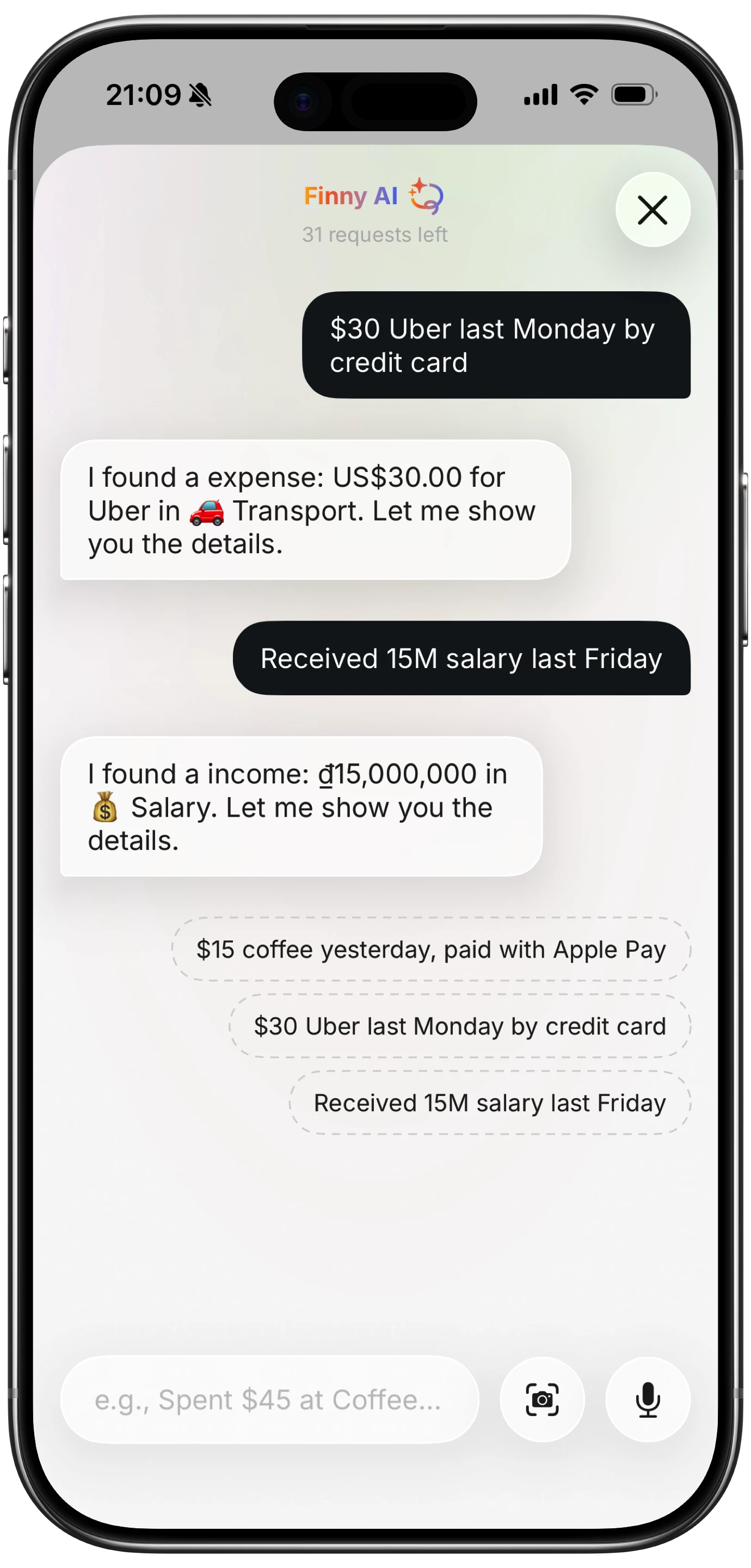
Finny app's AI chat feature
This is where daily expense tracking becomes more than a budgeting exercise. It becomes a tool for self-awareness. When you review a week of annotated expenses, the triggers become obvious in a way they never are in the moment.
With Finny, you can log expenses quickly using natural language input. Type something like "lunch out 18 dollars, impulse, was bored" and the app parses the amount and category while preserving your note. Over time, those notes create a personal map of your spending triggers.
Look for Time and Location Patterns
After a few weeks of tracking, sort your unplanned purchases by:
- Day of week: Do you spend more on certain days?
- Time of day: Are evenings your weak point?
- Category: Is it food, clothing, entertainment, or something else?
- Amount range: Are triggers leading to small frequent purchases or occasional large ones?
This data-driven approach removes the guesswork. You are not relying on how you think you spend. You are looking at how you actually spend.
Strategies for Managing Spending Triggers
Identifying triggers is the first step. Managing them requires building systems that interrupt the trigger-to-purchase cycle.
Create a Pause Rule
Implement a waiting period for unplanned purchases. A common approach is the 24-hour rule: if you want to buy something you had not planned to buy, wait 24 hours. For purchases over a certain amount (say $50), extend the wait to 48 or 72 hours.
The goal is not to deny yourself everything. It is to add a pause between the impulse and the action. Many impulse purchases lose their appeal after a day.
Reduce Exposure to Situational Triggers
Once you know your situational triggers, you can reduce exposure to them:
- Unsubscribe from promotional emails that create urgency
- Remove saved payment methods from frequently used shopping apps
- Turn off push notifications for retail and deal apps
- Avoid browsing shopping sites as entertainment
- Take a different route if a particular store always pulls you in
These are not dramatic lifestyle changes. They are small environmental adjustments that reduce the number of times you face a spending decision in a day.
Address Emotional Triggers Directly
If stress drives your spending, the solution is not just avoiding stores. It is finding alternative ways to manage stress: exercise, walking, calling a friend, journaling, or simply acknowledging the feeling without acting on it.
The key insight is that spending is a coping mechanism. Removing a coping mechanism without replacing it rarely works. Find alternatives that address the emotional need without the financial cost.
Use Your Tracking Data as Accountability
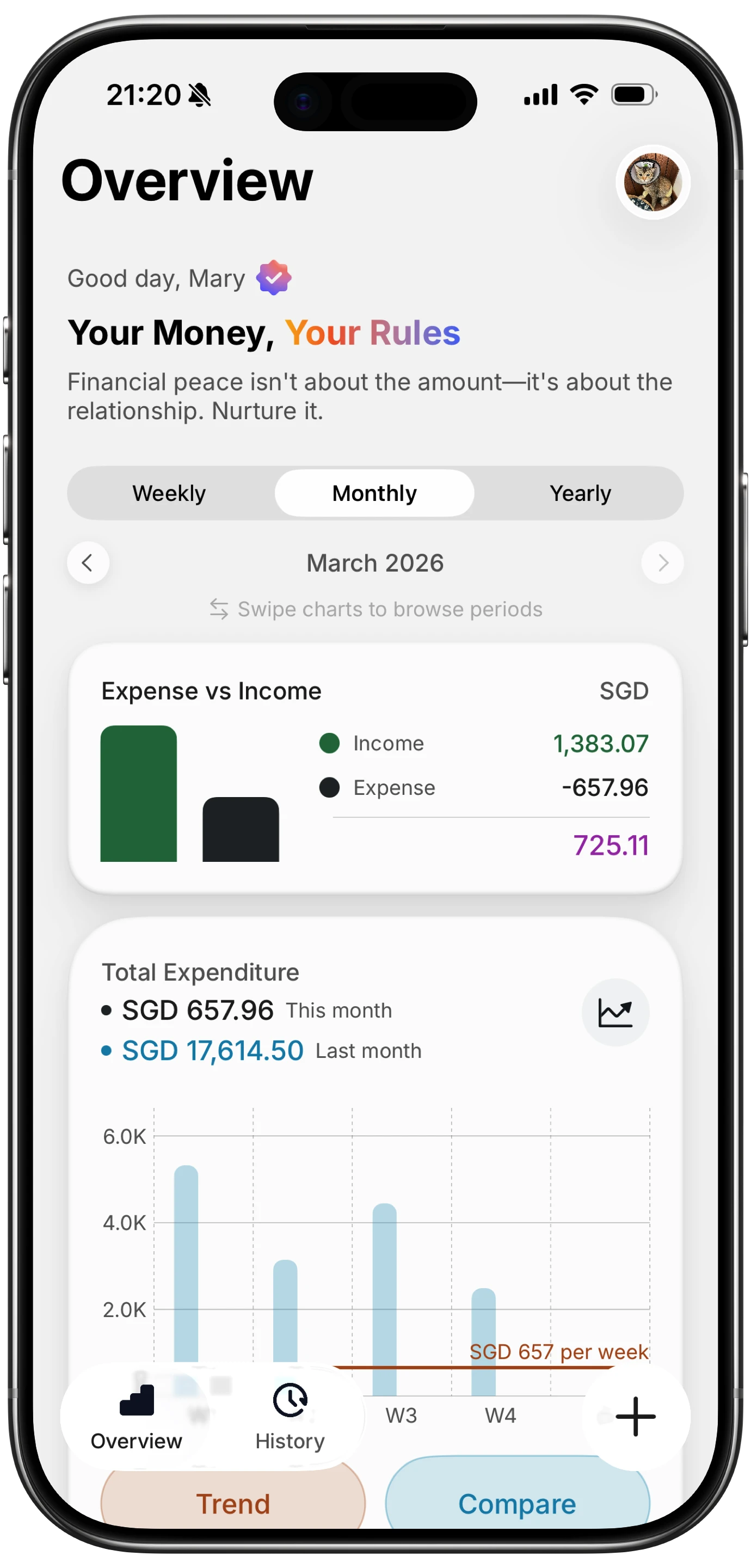
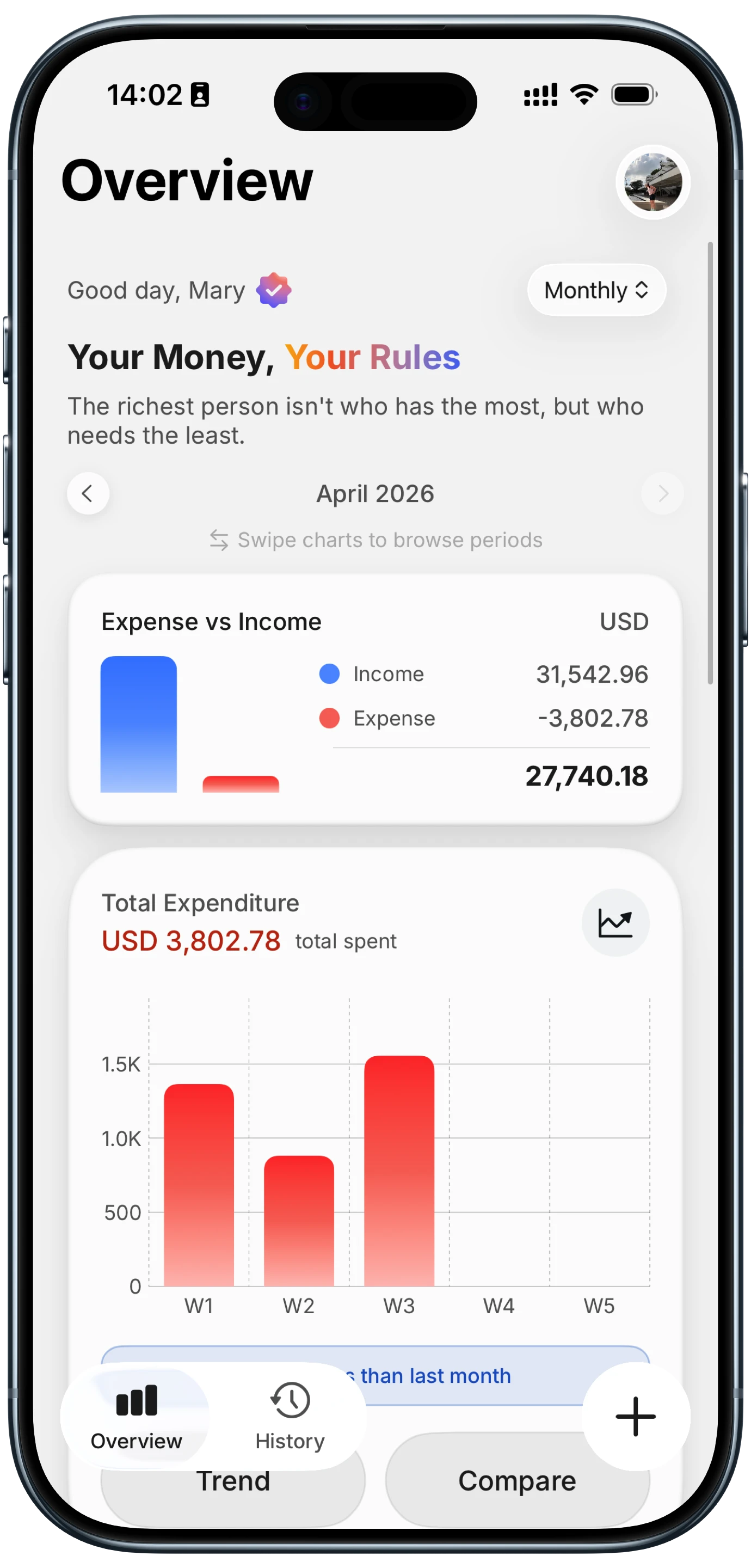
Finny app's Overview feature
Reviewing your spending data weekly serves as a gentle accountability system. When you see three unplanned takeout orders in a row, each tagged with "tired, did not feel like cooking," you have concrete information to work with. Maybe the solution is meal prepping on Sundays. Maybe it is keeping easy-to-cook ingredients on hand. The data points you toward specific, actionable solutions rather than vague resolutions to "spend less."
Finny's visual analytics make this review process straightforward. Category breakdowns and spending trends show where your money is going, and the notes you attach to each expense reveal why.
Set Spending Boundaries for Social Situations
Before social events, decide on a spending limit. Tell yourself (or a trusted friend) what you are willing to spend. When dining out, check the menu prices beforehand. Suggest activities that align with your budget rather than always deferring to the group.
This is not about being cheap. It is about being intentional. Most friends respect honesty about budget limits more than people expect.
Building Long-Term Awareness
Managing spending triggers is not a one-time fix. It is an ongoing practice of awareness. The goal is not to eliminate all unplanned spending, which is unrealistic, but to make unplanned spending a conscious choice rather than an automatic reaction.
Over time, tracking builds a feedback loop. You log an expense, note the trigger, review the pattern, and adjust your environment or response. Each cycle strengthens your awareness and makes the next impulse a little easier to catch before it becomes a purchase.
For a comprehensive approach to monitoring your daily finances, our guide on how to track daily spending covers the mechanics of building a consistent logging habit. Combined with trigger awareness, daily tracking transforms raw spending data into meaningful behavioral insight.
Common Questions About Spending Triggers
What is a spending trigger?
A spending trigger is any emotional state, situation, or environmental cue that prompts you to make an unplanned purchase. Common examples include stress, boredom, social pressure, and exposure to sales or deals.
How do I find my spending triggers?
Track your expenses daily with short notes about how you felt and what prompted each purchase. After two to three weeks, review the data for patterns in timing, category, and emotional context.
Can spending triggers be eliminated completely?
No. Triggers are a normal part of life. The goal is to recognize them and build systems, like waiting periods, reduced exposure, and alternative coping strategies, that interrupt the automatic path from trigger to purchase.
What is the difference between a need and a triggered purchase?
A need-based purchase addresses a genuine requirement: groceries when the fridge is empty, a coat when winter arrives. A triggered purchase is driven by an emotional state or situational cue rather than an actual need. The distinction is often about timing and context rather than the item itself.
Does tracking spending actually help with impulse buying?
Yes. Research consistently shows that awareness of spending patterns reduces impulsive purchases. The act of logging an expense creates a moment of reflection that interrupts automatic behavior. Adding context notes makes the effect stronger because it connects the purchase to its cause.
Ready to uncover your spending triggers?
Download Finny to log daily expenses with context notes, review your spending patterns with visual analytics, and build the awareness you need to spend more intentionally. No bank connections required, and it works offline.