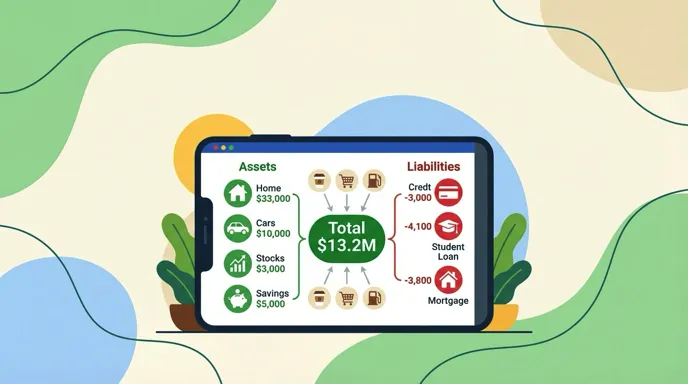
Spending money in multiple currencies creates a tracking problem that most expense apps handle poorly. You buy lunch in Tokyo for 1,500 yen, pay for a hotel in Bangkok with Thai baht, then grab coffee in Bali with Indonesian rupiah. Your app either converts everything to dollars immediately (losing the original amounts) or keeps everything in local currencies (making totals meaningless).
The best multi-currency expense trackers solve both problems. They preserve what you actually paid in each currency while giving you a unified view in your home currency. That sounds basic, but surprisingly few apps get it right.
We tested five popular options used by travelers, digital nomads, and expats to find which ones actually handle multi-currency spending well. For a broader look at expense tracking tools, see our best money tracker app in 2026 guide. If you mostly spend in EUR, our roundup of the best euro expense trackers in 2026 covers Europe-focused options in detail.
Why Multi-Currency Tracking Is Harder Than It Looks
Tracking expenses in a single currency is straightforward. Add up what you spent, compare to your budget, done. Multiple currencies introduce complications that most apps were not designed to handle.
The conversion problem. If an app converts your 1,500 yen lunch to $9.87 at the time of entry, you lose the original amount. When you review your Japan trip later, you cannot tell whether prices were reasonable in local terms. You also cannot compare exchange rates between different transactions.
The aggregation problem. If an app keeps everything in original currencies, your monthly total is useless. You cannot add yen, baht, and rupiah into a meaningful number without conversion.
The rate problem. Exchange rates change constantly. Some apps use the rate at time of entry. Others use the current rate. Some let you set custom rates. The right approach depends on whether you want accounting accuracy or spending awareness.
The display problem. Even apps that support multiple currencies often bury the feature. You might need to create separate wallets for each currency, manually switch between views, or dig through settings to see unified totals.
The ideal solution preserves original amounts, converts totals automatically, uses current rates, and displays everything cleanly. Here is how the top options compare.
Multi-Currency Expense Tracker Comparison
| App | Currencies | Preserves Originals | Unified Totals | Auto Rates | Offline | Price |
|---|---|---|---|---|---|---|
| Finny | 150+ | Yes | Yes | Yes | Yes | a low monthly price |
| Spendee | 150+ | Partial | Yes | Yes | No | $5.99/mo |
| Wallet by BudgetBakers | 150+ | No (separate accounts) | Yes | Yes | Partial | ~$2/mo |
| Trail Wallet | 100+ | Yes | Yes | Yes | Yes | ~$4.99 one-time |
| TravelSpend | 150+ | Yes | Yes | Yes | Yes | Free/Premium |
Best Multi-Currency Expense Trackers
Finny: Best Unified Currency View for Daily Use
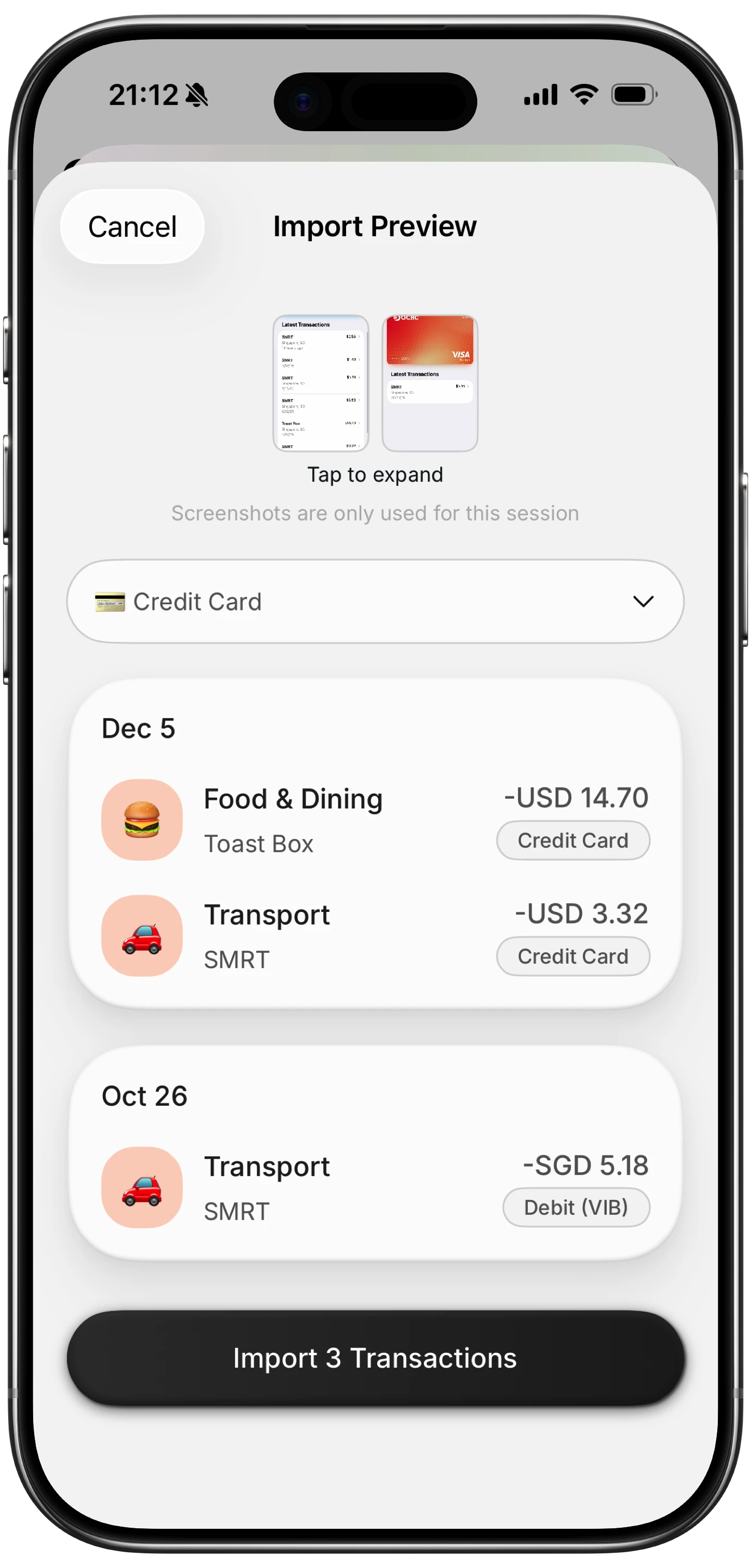
Finny's approach to multi-currency tracking is the cleanest we have tested. Every transaction stays in its original currency permanently. When you scroll through your history, you see "1,500 JPY" for your Tokyo lunch and "$4.50 USD" for your New York coffee. Nothing gets silently converted.
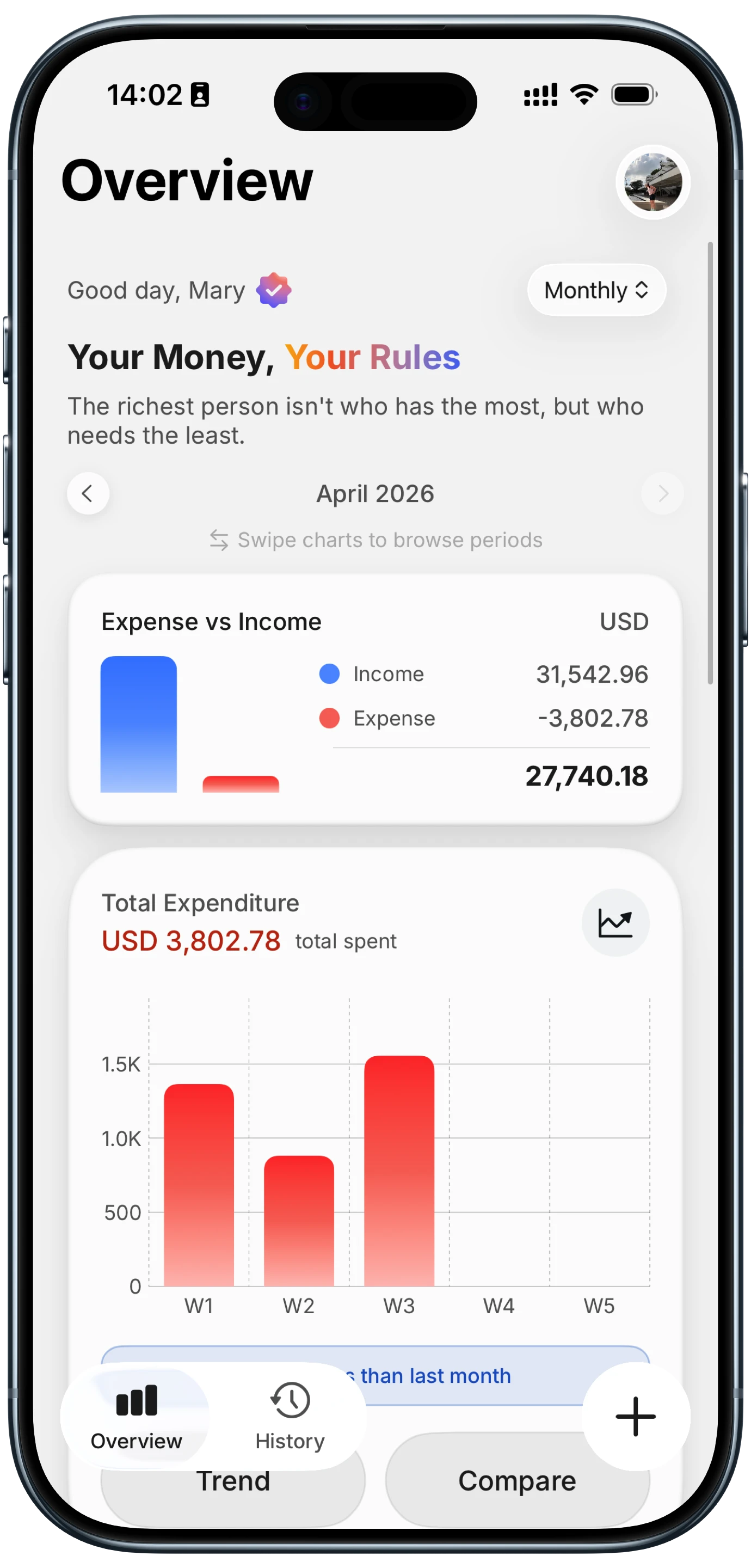
The Unified Currency View handles totals by auto-converting everything to your chosen default currency using current exchange rates. Your dashboard shows accurate totals and spending breakdowns in one currency, while individual transactions retain their originals. You get both context and clarity.
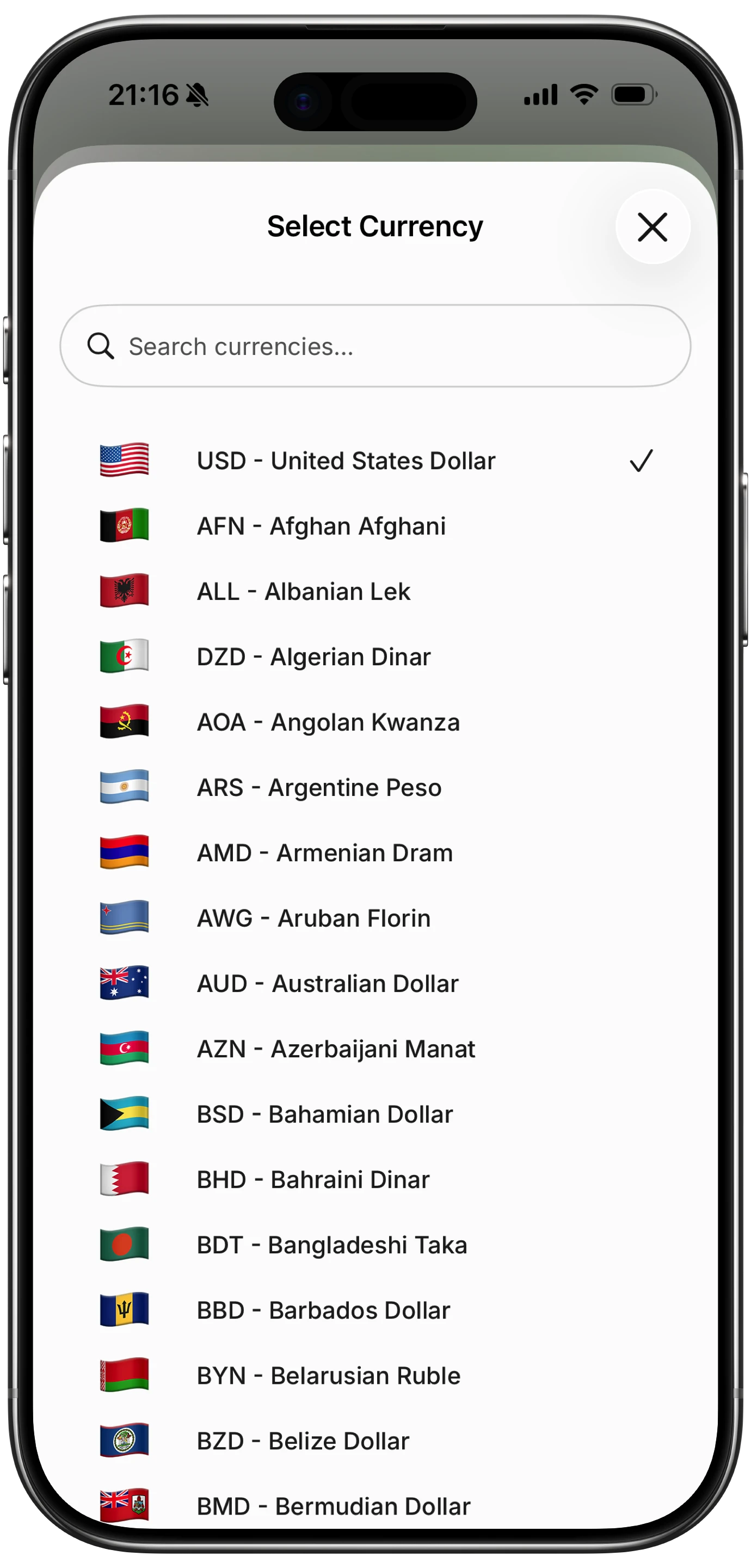
This feature is included in Finny's standard plan, not locked behind an extra tier. That is unusual. Most apps that handle multi-currency well charge premium prices for the privilege. Finny supports over 150 currencies and updates rates automatically.
For travelers, the AI input is especially valuable. Snap a receipt in Japanese, and the AI extracts the amount in yen. Dictate "taxi 350 baht" and it logs the transaction in Thai baht. The app figures out the currency from context, so you rarely need to select it manually.
Finny also works completely offline, which matters when you are abroad with spotty data. Log expenses on a plane, at a remote beach, or in a subway tunnel. Everything syncs when you reconnect. For more on this, see our offline expense tracking guide.
At a low monthly or yearly price, Finny is the most affordable multi-currency tracker with AI input and unified totals. Competitors offering similar capabilities charge several times more.
Best for: Digital nomads, frequent travelers, and expats who want effortless multi-currency tracking with AI input.
Spendee: Best for Wallet-Based Currency Organization
Spendee approaches multi-currency by letting you create separate wallets for each currency. Your Japan wallet holds yen transactions. Your Thailand wallet holds baht. A global overview converts everything into your primary currency for totals.
The system works, but it adds friction. Before logging an expense, you need to select the right wallet. If you forget and log yen into your dollar wallet, the amount gets converted and the original is lost. Spendee does recalculate automatically based on current rates, but the wallet-switching step slows things down compared to apps that detect currency automatically.
Shared wallets are useful for couples traveling together. Both partners can log to the same trip wallet and see combined spending. The premium tier ($5.99/month or $35.99/year) unlocks unlimited wallets and budgets.
The free version includes one wallet and one budget, which is more generous than most competitors. However, multi-currency use almost always requires multiple wallets, meaning you need Premium. The app does not work offline, which is a significant limitation for travelers.
Best for: Couples who want shared multi-currency wallets and do not mind the wallet-switching workflow.
Wallet by BudgetBakers: Best for Detailed Financial Planning
Wallet by BudgetBakers handles multiple currencies through separate accounts. You create a EUR account, a USD account, a GBP account, and each tracks spending in its native currency. The overview dashboard converts everything to your primary currency.
The limitation is that a single account cannot hold multiple currencies. If you fly from Germany to Japan and spend in euros, then yen, you need two accounts. This creates a fragmented experience where your trip expenses live across multiple account views.
Exchange rates update automatically overnight, and you can set custom rates for individual transactions. The app connects to banks in supported regions and offers manual entry for everything else. At approximately 22 EUR/year (with a 35 EUR lifetime option), it is reasonably priced.
The app has partial offline support: you can log expenses offline, but some features require a connection. For detailed financial planning with budgets, reports, and net worth tracking across currencies, Wallet is capable. For quick travel expense logging, the account-switching requirement makes it slower than alternatives.
Best for: Expats managing long-term finances in multiple currencies who want detailed budgeting tools.
Trail Wallet: Best Simple Travel Budget
Trail Wallet is a focused travel expense tracker built specifically for trips. You set a trip budget in your home currency, and the app converts foreign expenses automatically while preserving the original amounts. The interface is simple and colorful, designed to make budget tracking feel lightweight during travel.
The app works offline, which is essential for travel. Exchange rates are cached, and you can update them manually when connected. Daily spending indicators show whether you are on track with color-coded summaries.
Trail Wallet is iOS-only and has not seen major updates recently. The feature set is minimal compared to modern alternatives: no AI input, no receipt scanning, no bank sync, and limited reporting. It is a one-time purchase (approximately $4.99-$8.99 depending on the version), so there are no subscription fees.
For short trips with a fixed budget, Trail Wallet's simplicity is appealing. For ongoing multi-currency life as a nomad or expat, it lacks the depth and AI capabilities that daily use demands.
Best for: Casual travelers who want a simple, one-time-purchase budget tracker for trips.
TravelSpend: Best for Group Travel Budgets
TravelSpend is designed around trip-based spending. Set a destination, define a daily or total budget, and log expenses in local currency. The app converts and tracks everything against your budget automatically.
The standout feature for groups is expense splitting. When traveling with friends, you can share a trip, split bills, track who owes what, and settle debts within the app. This eliminates the awkward "who paid for dinner" conversation at the end of a trip.
TravelSpend works offline and syncs across devices. It has added Apple Pay automation through Apple's built-in automation, allowing automatic logging of tap-to-pay purchases. Currency support covers most destinations.
The app is free for tracking one trip at a time. Premium unlocks multiple simultaneous trips. The limitation is that TravelSpend is built for travel, not everyday life. Using it as a primary expense tracker outside of trips feels awkward, and it lacks AI input features for quick logging.
Best for: Groups traveling together who need expense splitting with multi-currency support.
What Travelers Get Wrong About Multi-Currency Tracking
The most common mistake is converting everything immediately. People log "$9.87" instead of "1,500 JPY" because their app forced the conversion. Three months later, they cannot tell if their Japan trip was expensive by local standards or if the exchange rate made it seem that way.
The second mistake is using separate apps for travel and daily spending. This splits your financial data across multiple tools, making it impossible to see your full spending picture. An app that handles both domestic and international expenses in one place saves you from reconciling multiple data sources.
The third mistake is ignoring exchange rate timing. If you logged a transaction on Tuesday at one rate, but the app displays it using Friday's rate, your totals shift without any new spending. The best apps are transparent about which rates they use and when they update.
For more on how AI can simplify expense tracking across currencies, read our AI expense tracking comparison.
How to Track Expenses Across Currencies Effectively
Here are practical tips that work regardless of which app you choose:
Log immediately. Currency tracking gets complicated when you try to reconstruct spending from memory days later. Log at the point of purchase, or use an app with automatic logging like Finny's Tap to Track.
Keep originals. Always use an app that preserves the original currency amount. You will want this data when reviewing spending patterns across different countries.
Use one app for everything. Do not split domestic and travel expenses across apps. A unified view of all spending, in all currencies, is the goal. Finny handles this naturally with its Unified Currency View.
Photograph receipts in foreign languages. An AI-powered receipt scanner can extract amounts from receipts in any language. This is faster and more accurate than trying to read Japanese or Thai characters yourself.
For a complete guide to building an expense tracking habit, see our article on how to track expenses consistently.
Frequently Asked Questions
Which expense tracker supports the most currencies?
Finny, Spendee, Wallet by BudgetBakers, and TravelSpend all support 150+ currencies. Trail Wallet covers 100+. For most travelers, any of these will cover the currencies you encounter.
Can I see my total spending in one currency while keeping original amounts?
Yes, but not all apps do this well. Finny's Unified Currency View is the cleanest implementation: transactions stay in original currencies, and all totals auto-convert to your chosen default. Spendee and Trail Wallet offer similar functionality but with more manual steps.
Do multi-currency expense trackers work offline?
Finny, Trail Wallet, and TravelSpend all work fully offline, using cached exchange rates until you reconnect. Spendee requires an internet connection for most features. Wallet by BudgetBakers offers partial offline support.
What is the cheapest multi-currency expense tracker?
TravelSpend is free for single-trip use. Trail Wallet is a one-time purchase under $10. For ongoing multi-currency tracking with AI features and unified views, Finny at a low monthly or yearly price offers the best value. Spendee Premium costs $5.99/month for comparable multi-currency support without AI input.
Track Every Currency in One Place
Managing money across borders should not require spreadsheets, currency converters, or three different apps. The right expense tracker preserves what you paid, converts what you need, and keeps everything in one view.
Download Finny and experience Unified Currency View across 150+ currencies. Your transactions stay in the currency you spent them in, while your totals make sense in the currency you think in.