Most adults make dozens of financial decisions every week: what to buy, when to save, whether to pay down debt or invest. Yet surveys consistently show that a large share of the population lacks confidence in these choices. The gap between the number of decisions people face and their readiness to make them is the core problem financial literacy addresses.
Financial literacy is the ability to understand and effectively use financial skills, including budgeting, saving, investing, and managing debt. It is not about memorizing formulas or reading dense textbooks. It is about having enough knowledge to make informed decisions with your money and recognizing the consequences of those decisions over time.
This guide covers what financial literacy actually includes, why it matters, and how to start building it through practical habits. If you are looking for a starting point, our budgeting for beginners guide walks through the fundamentals of creating your first budget.
What Financial Literacy Really Means
Financial literacy is the knowledge and confidence to manage money across everyday situations. It means understanding how interest works, why an emergency fund matters, what insurance protects against, and how small spending habits compound over years.
A financially literate person does not need to be a finance expert. They need to understand enough to:
- Read a bank statement and spot errors or unnecessary fees
- Compare loan terms and recognize when interest costs outweigh convenience
- Set realistic savings goals based on income and expenses
- Evaluate risk when choosing investments or insurance
- Avoid common traps like high-interest consumer debt or predatory lending
Financial literacy is not a fixed state you reach once. It is an ongoing process. Tax laws change, new financial products appear, and your own circumstances shift over time. Staying literate means staying engaged.
The Core Components of Financial Literacy
Financial literacy is not a single skill. It is a collection of related competencies that work together. Here are the five areas that matter most for personal finance.
1. Budgeting
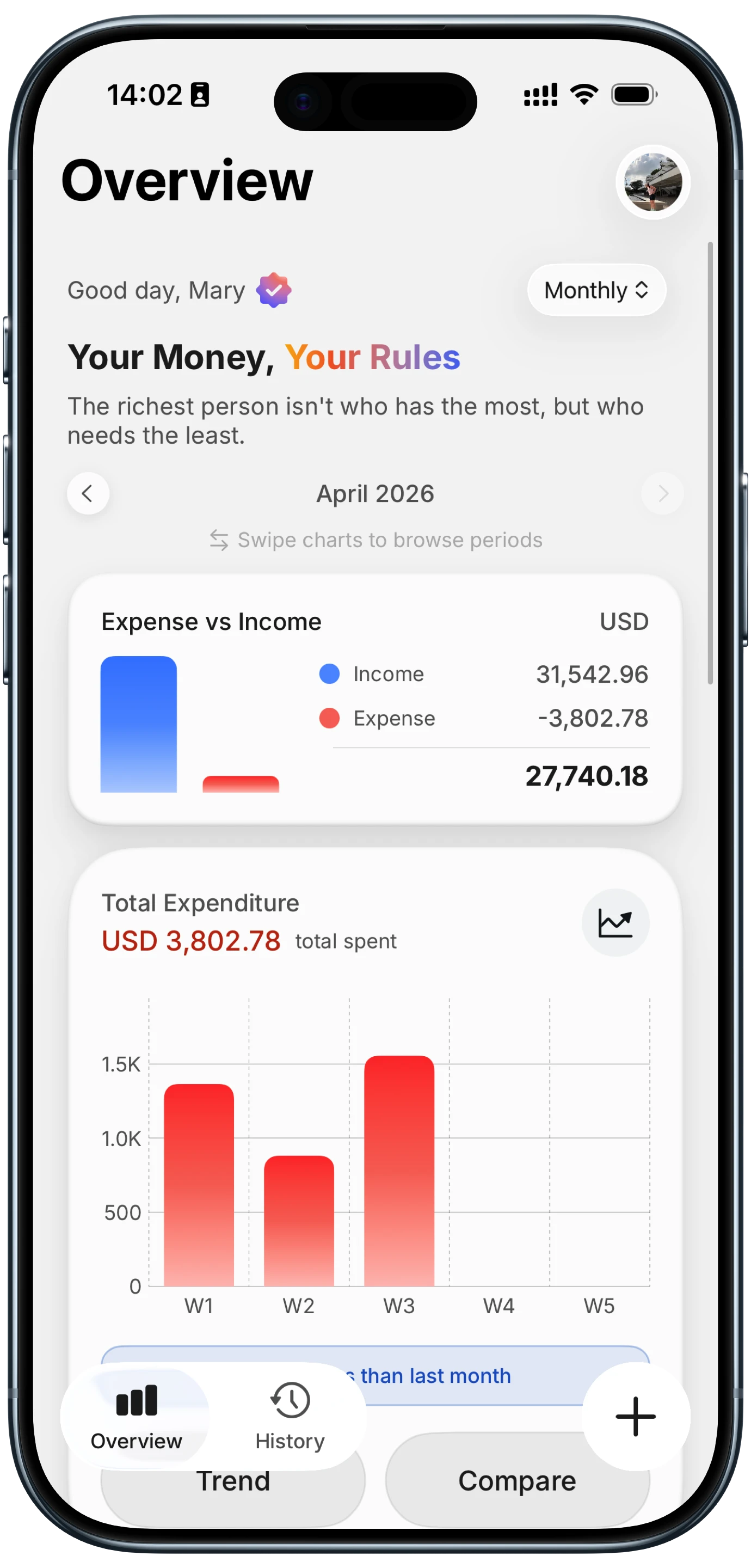
Budgeting is the foundation. Without a clear picture of income versus expenses, every other financial skill operates in the dark. A budget does not restrict spending. It reveals where money actually goes, which is often different from where people assume it goes.
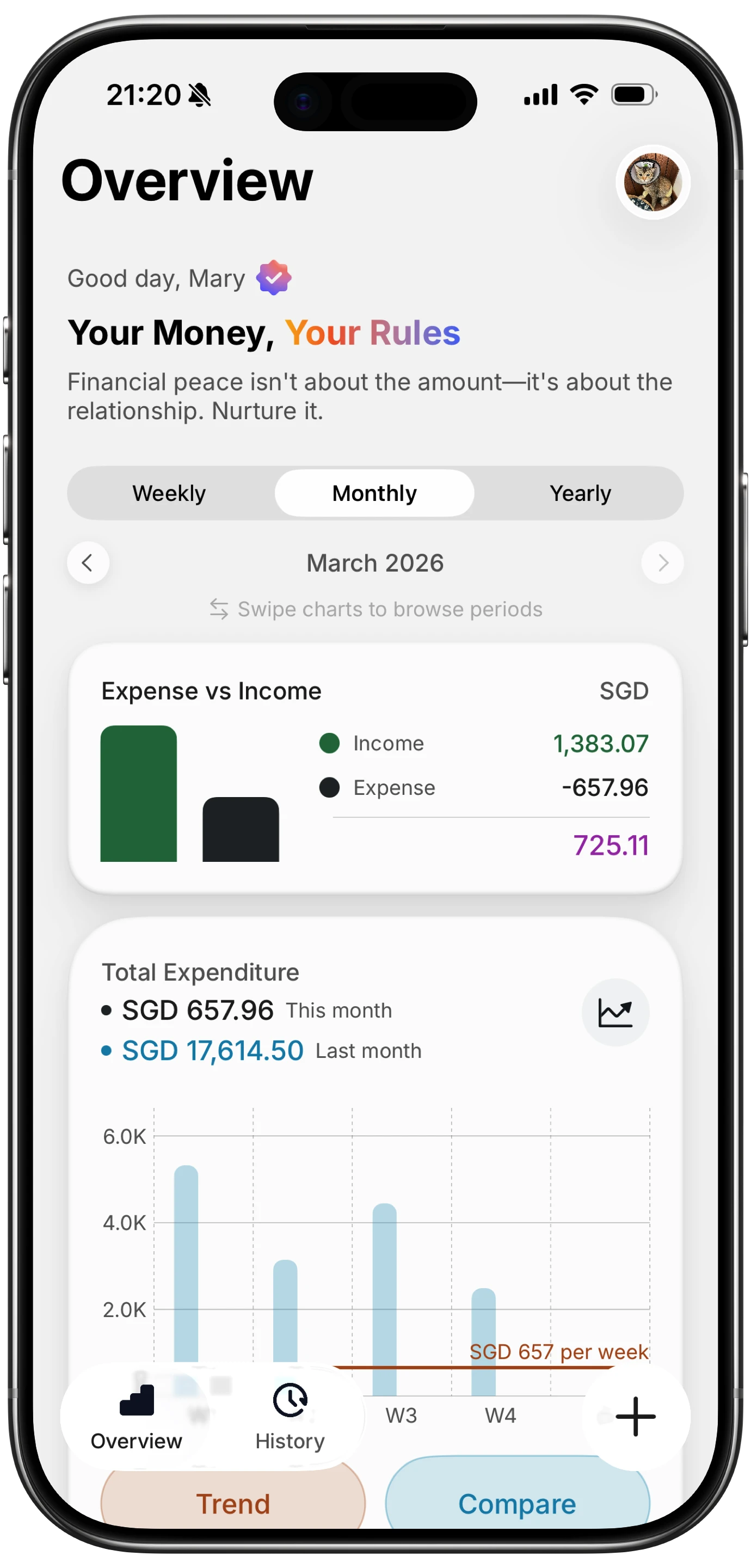
Finny app's Overview feature
Effective budgeting involves tracking income, categorizing expenses, and reviewing patterns regularly. Whether you use the 50/30/20 rule, zero-based budgeting, or a simpler approach, the goal is the same: awareness. You cannot improve what you do not measure.
For a deeper look at budgeting frameworks, see our complete personal finance guide.
2. Saving
Saving is the bridge between earning money and using it wisely. Financial literacy includes understanding different types of savings goals:
- Emergency fund: Three to six months of essential expenses, kept liquid and accessible
- Short-term savings: Money for planned purchases within the next one to two years
- Sinking funds: Gradual savings for predictable irregular expenses like insurance premiums or holiday gifts
- Long-term savings: Retirement accounts, education funds, or down payment goals
The key insight is that saving is not about willpower alone. It is about systems. Automating contributions, separating accounts by purpose, and tracking progress all reduce the mental effort required to save consistently.
3. Investing
Investing is how money grows beyond what savings accounts offer. Financial literacy in this area means understanding basic concepts:
- Compound interest: How returns generate their own returns over time
- Risk and return: Higher potential returns come with higher potential losses
- Diversification: Spreading investments across different asset types to reduce risk
- Tax-advantaged accounts: Retirement accounts like 401(k)s and IRAs that offer tax benefits
- Fees: How expense ratios, trading costs, and advisory fees eat into returns
You do not need to become a stock picker. Most financially literate individuals use low-cost index funds or target-date funds for long-term investing. The critical literacy skill is knowing enough to avoid costly mistakes, like panic selling during downturns or paying excessive fees for underperforming funds.
4. Debt Management
Not all debt is equal. Financial literacy means understanding the difference between debt that builds value (a reasonable mortgage, student loans for a marketable degree) and debt that erodes wealth (high-interest credit cards, payday loans).
Key debt management skills include:
- Knowing your interest rates across all debts
- Choosing a payoff strategy: The avalanche method (highest interest first) saves the most money, while the snowball method (smallest balance first) provides psychological momentum
- Understanding credit scores: How payment history, utilization, and account age affect your score
- Recognizing when to refinance: Lower interest rates can significantly reduce total cost
The most important debt skill is prevention. Tracking daily expenses helps you avoid the gradual accumulation of small charges that leads to credit card balances you cannot pay off each month.
5. Insurance and Risk Protection
Insurance is the least discussed component of financial literacy, but it protects everything else. Understanding insurance means knowing:
- What types of coverage you need (health, auto, renters or homeowners, life, disability)
- How deductibles, premiums, and coverage limits relate to each other
- When self-insuring (accepting risk) makes sense versus transferring risk to an insurer
- How to compare policies beyond just the monthly premium
A financially literate person does not buy every insurance product available. They assess their actual risks and choose coverage that protects against losses they could not absorb on their own.
Why Financial Literacy Matters
The consequences of financial illiteracy are concrete and measurable.
Debt accumulation: People who do not understand interest rates and minimum payments often carry credit card balances that cost thousands in interest over time. A $5,000 balance at 22% interest, paid at the minimum, can take over 20 years to clear and cost more than $10,000 in interest alone.
Missed growth: Someone who delays investing by ten years because they "do not understand the stock market" can miss hundreds of thousands in compound growth. Time in the market matters more than timing the market, but you need basic literacy to start.
Vulnerability to scams: Financial literacy acts as a filter. Understanding how investments actually work makes it easier to spot schemes that promise unrealistic returns. Knowing how credit works helps you recognize predatory lending.
Stress reduction: Financial stress affects health, relationships, and work performance. Studies link financial literacy to lower anxiety about money, not because literate people are wealthier, but because they feel more in control of their situation.
Better decision-making at every income level: Financial literacy is not only for high earners. Someone earning $35,000 who understands budgeting, avoids high-interest debt, and saves consistently can build more stability than someone earning $100,000 who spends without awareness.
How to Improve Your Financial Literacy
Building financial literacy does not require a finance degree. It requires consistent, practical engagement with your own money. Here are the most effective ways to start.
Start by Tracking Your Spending
This is the single most impactful step. Before you can budget, save, or invest effectively, you need to know where your money goes. Most people overestimate their awareness of their own spending patterns.
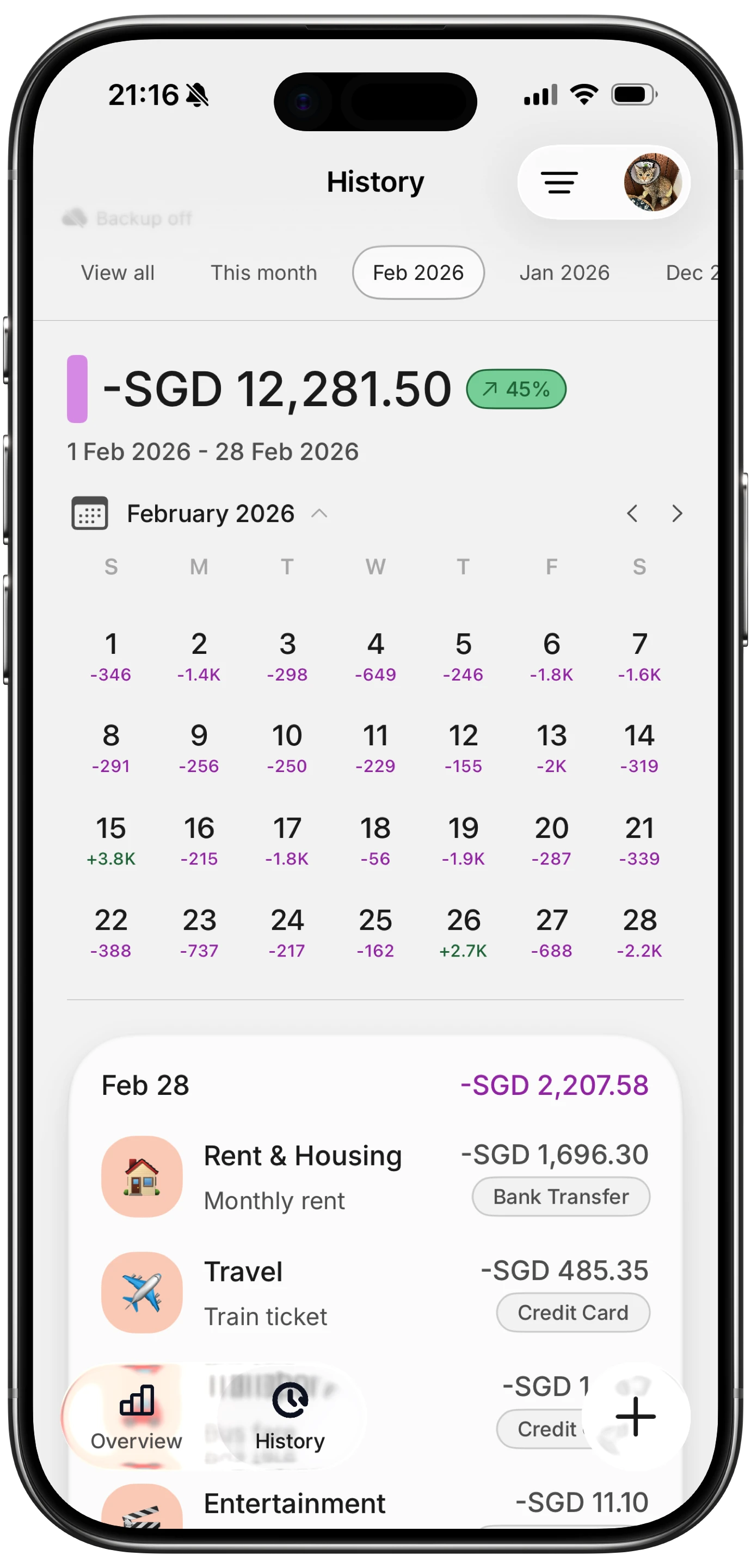
Finny app's History calendar feature
Track every expense for at least 30 days. Use an app, a spreadsheet, or even a notebook. The method matters less than the consistency. After a month, review the data. You will almost certainly find spending categories that surprise you, either by their size or their frequency.
Expense tracking builds financial literacy directly because it forces engagement with real numbers. Abstract advice like "spend less on dining out" becomes concrete when you see the actual total. Finny makes this process low-friction by letting you log expenses through text, voice, or receipt scanning, so the tracking habit is easier to maintain.
Learn One Concept at a Time
Financial literacy covers a lot of ground. Trying to learn everything at once leads to overwhelm and inaction. Instead, focus on one topic per month:
- Month 1: Track all spending and categorize it
- Month 2: Create a basic budget based on your tracked data
- Month 3: Set up an emergency fund, even if you start with $500
- Month 4: Review all debts, their interest rates, and create a payoff plan
- Month 5: Learn the basics of your employer retirement plan
- Month 6: Review insurance coverage and identify gaps
Each step builds on the previous one. By month six, you have covered all five core components at a foundational level.
Use Free Resources
Quality financial education is widely accessible:
- Government resources: The Consumer Financial Protection Bureau (CFPB) offers free guides on nearly every personal finance topic
- Library books: Classic titles like "The Total Money Makeover" and "I Will Teach You to Be Rich" cover fundamentals clearly
- Nonprofit courses: Organizations like the National Endowment for Financial Education offer free online courses
- Podcasts and blogs: Choose sources that explain concepts without selling products
Be cautious with social media finance content. Some creators prioritize engagement over accuracy. Cross-reference advice with established sources before acting on it.
Practice with Small Stakes
Financial literacy improves through application, not just study. Practice skills with low-risk actions:
- Negotiate one bill (internet, insurance, subscription) to practice communication and comparison shopping
- Open a high-yield savings account and automate a small transfer to learn about interest
- Buy a single share of a low-cost index fund to experience how investing works
- Read your credit report for free at annualcreditreport.com to understand what lenders see
Each small action builds confidence and reinforces concepts you have read about.
Make It a Habit, Not a Project
Financial literacy is not something you complete. It is a habit you maintain. Review your budget monthly. Check your investments quarterly. Reassess insurance annually. Read one article about personal finance each week.
The people who maintain financial literacy long-term are those who build it into their routine rather than treating it as a one-time learning sprint.
Expense Tracking as the First Step
Of all the components of financial literacy, expense tracking is the best starting point for three reasons.
It requires no prior knowledge. You do not need to understand compound interest or asset allocation to write down what you spent today. The barrier to entry is zero.
It produces immediate insights. Within a week of tracking, most people discover something surprising about their spending. That discovery creates motivation to learn more.
It connects to every other skill. Tracking feeds directly into budgeting. Budgeting reveals capacity for saving. Saving creates resources for investing. Each skill builds on the awareness that tracking provides.
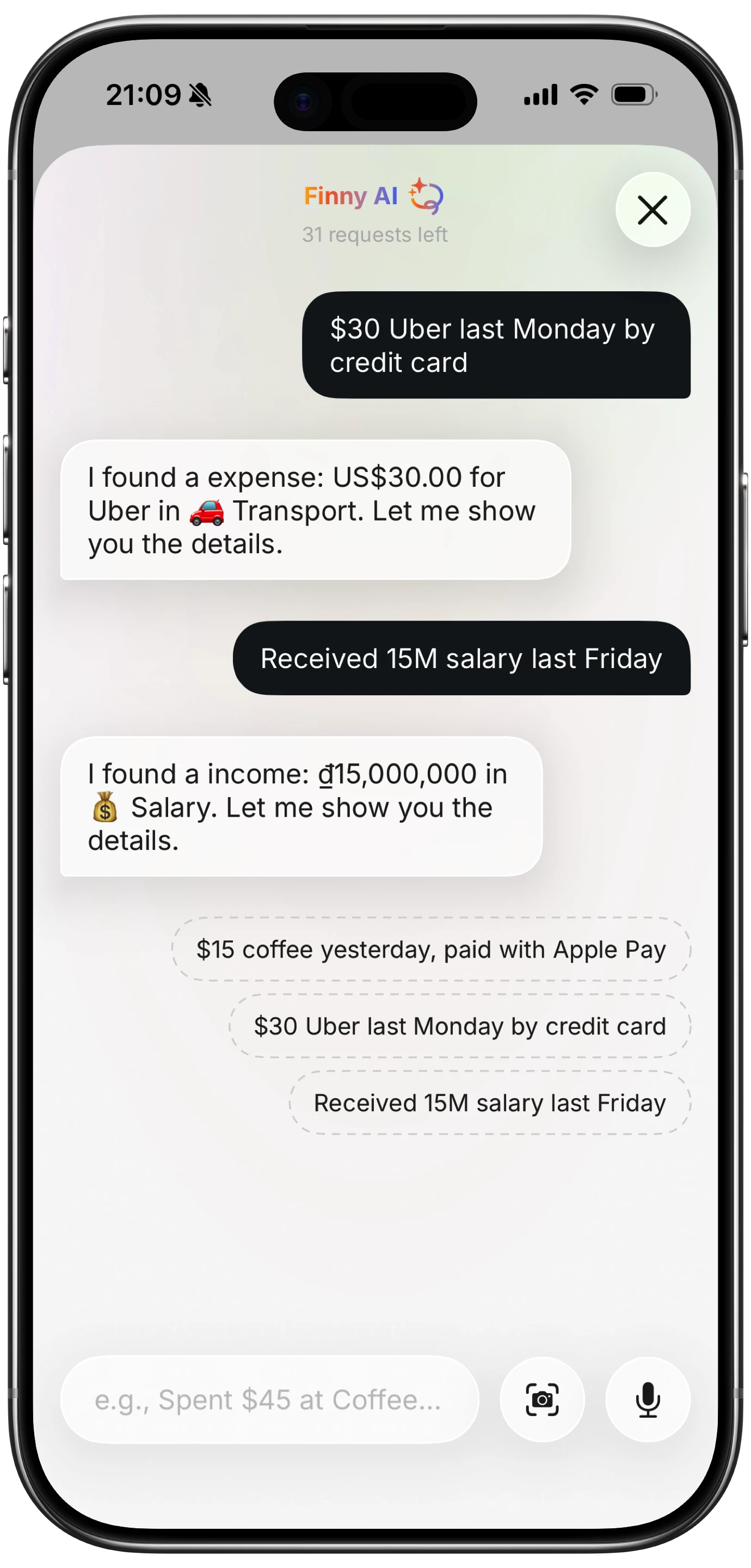
Finny app's AI chat feature
An app like Finny reduces the friction of tracking by supporting AI-assisted input. You can type "coffee 4.50" or scan a receipt, and the expense is logged and categorized. The lower the effort, the more likely the habit sticks. And once the habit sticks, financial literacy grows naturally from the data you collect.
For more on building a tracking habit, see our guide on how to track expenses.
The Bottom Line
Financial literacy is not a talent or a trait. It is a set of practical skills that anyone can develop through consistent engagement with their own finances. The five core areas, budgeting, saving, investing, debt management, and insurance, each contribute to a complete picture of financial health.
The most effective way to begin is also the simplest: start tracking your expenses. From there, every other financial skill becomes easier to learn and apply because you are working with real data from your own life, not abstract theory.
You do not need to master everything at once. You need to start, stay consistent, and build knowledge gradually. Financial literacy compounds just like interest, where small gains today lead to significant understanding over time. Ready to act on it? Our financial planning for beginners guide walks through the steps.
Common Questions About Financial Literacy
What is financial literacy in simple terms?
Financial literacy is the ability to understand and use basic financial skills. It includes knowing how to budget, save, manage debt, and make informed decisions about spending and investing. It is practical knowledge that helps you handle money confidently.
Why is financial literacy important?
Financial literacy reduces debt, increases savings, and lowers financial stress. It helps you avoid costly mistakes like high-interest borrowing, poor investment choices, and inadequate insurance. People with higher financial literacy tend to build more wealth over time, regardless of income level.
What are the 5 pillars of financial literacy?
The five core components are budgeting, saving, investing, debt management, and insurance. Together, they cover the full spectrum of personal money management, from daily spending decisions to long-term wealth building and risk protection.
How can I improve my financial literacy for free?
Start by tracking your daily expenses to build awareness. Use free resources from the CFPB, public libraries, and nonprofit financial education organizations. Focus on one topic per month and practice each skill with small, low-risk actions before scaling up.
What is the best first step toward financial literacy?
Tracking your expenses. It requires no prior knowledge, provides immediate insights into your spending patterns, and creates the foundation for budgeting, saving, and every other financial skill. Consistency matters more than the method you choose.
Ready to take the first step toward financial literacy?
Download Finny to start tracking your expenses with AI-assisted input, receipt scanning, and visual spending analytics. No bank connections required, full privacy, and the awareness you need to build real financial skills.