No-Spend Month Challenge: Rules, Tips & 30-Day Plan
You know the feeling. Money leaves your account all month, but you can't point to where it went. A little here, a little there, and somehow the balance is lower than it should be.
A no-spend month challenge is a deliberate reset. For 30 days, you pay for essentials only and pause everything discretionary. No takeout, no impulse buys, no "I deserve this" purchases. The point isn't to suffer. It's to break autopilot, see how much you actually spend on wants, and walk away with both extra cash and better habits.
This guide gives you the full playbook: clear rules for what counts as essential, an allowed-versus-not-allowed table, a week-by-week 30-day plan, real tips that work, the mistakes that trip people up, and what to do once the month ends.
What Is a No-Spend Month Challenge?
A no-spend month challenge is a 30-day commitment to spend money only on true essentials. Rent, utilities, groceries, and medical needs stay. Everything optional gets paused. At the end, you tally what you didn't spend and roll it toward a goal.
It helps to see where this sits among similar habits, because the names get blurred:
- No-spend day. A single day where you spend nothing beyond bills already on autopay. It's the smallest version of this idea and a great way to test your willpower before committing to a month. We break it down in what is a no-spend day.
- No-spend month. Thirty days of essentials-only spending. Long enough to change behavior, short enough to stay motivated.
- Spending fast. A stricter, often longer pause where you cut even some "gray area" categories and sometimes spend nothing at all for a defined window. Learn more in what is a spending fast.
The key difference is duration and intensity. A no-spend day is a sprint. A spending fast can be a marathon with stricter rules. A no-spend month sits in the middle: long enough to expose your spending patterns, structured enough that the finish line stays in view.
How to Set Your No-Spend Month Rules
The single biggest reason people fail is fuzzy rules. "I'll just spend less" isn't a rule. You need a written line between essential and non-essential, decided before day one, when you're calm and not staring at a checkout screen.
Define your essentials
Essentials are the things that keep your life and health running. If skipping a payment causes real harm (a late fee, a service shutoff, a missed prescription), it's essential. A typical list includes:
- Rent or mortgage
- Utilities: electricity, water, gas, internet, phone
- Groceries from a planned list
- Medical care, prescriptions, and insurance
- Transportation to work (gas or transit)
- Minimum debt payments
- Childcare and basic pet care
Define your non-essentials
Non-essentials are everything you choose in the moment. Dining out, coffee runs, new clothes, gadgets, apps, books, alcohol, concerts, and "while I'm here" add-ons. These are exactly what the challenge pauses.
Here's a starting template. Adjust it to your life, but write it down and stick to it.
| Allowed (essentials) | Not allowed (non-essentials) |
|---|---|
| Rent or mortgage | Restaurants, takeout, coffee runs |
| Utilities and phone | New clothes, shoes, accessories |
| Planned groceries | Impulse and "treat yourself" buys |
| Medical, prescriptions, insurance | New subscriptions or upgrades |
| Gas or transit for work | Books, apps, games, gadgets |
| Minimum debt payments | Home decor and non-urgent extras |
| Childcare and pet basics | Bars, events, concerts, outings |
Decide your gray areas in advance too. Is a friend's birthday gift allowed? A school field trip? Most people carve out a small, pre-defined exception list so one real obligation doesn't derail the whole month. The rule of thumb: if it's planned and unavoidable, allow it; if it's optional and impulsive, pause it.
Your 30-Day No-Spend Month Plan
A no-spend month gets easier when you treat each week differently. Motivation, willpower, and temptation all shift as the month goes on, so your strategy should too.
Week 1: Prep and lock it in
Spend the first few days setting up rather than white-knuckling. Stock the pantry with a real grocery run so you're not "forced" to order out. Cancel or pause any subscription you don't need. Tell the people you live with so they're not planning a pricey dinner out. Write your rules where you'll see them. Starting strong here makes the rest far smoother.
Week 2: Build momentum
This is usually the easiest stretch. The novelty is fresh and your willpower is high. Use it to build a streak of $0 non-essential days. Cook the meals you planned, find free things to do, and start noticing the urges you'd normally act on without thinking. Every day you log a zero, the habit gets a little stickier.
Week 3: The hard middle
Week three is where most people wobble. The novelty has worn off, restaurant cravings hit, and a "just this once" voice gets loud. Expect it. Lean on your reasons: the goal you're funding, the streak you've built. Swap, don't spend. Want a night out? Host a potluck. Bored? Walk, read, or tackle a free project. Getting through this week is the whole game.
Week 4: Finish strong
By the final stretch the end is in sight, which makes it tempting to coast or "reward yourself early." Don't. Finish the same way you started. Then plan a small, intentional celebration for day 31 that doesn't blow your savings. Crossing the finish line clean is what makes the habit stick for next time.
Tips to Actually Succeed
The difference between finishing and fizzling usually comes down to a few practical moves.
Meal plan and batch cook. Food is where most no-spend months are won or lost. Plan a week of meals, shop once, and cook in batches so a tired evening never turns into a delivery order.
Unsubscribe from temptation. Mute promo emails, log out of shopping apps, and unfollow the accounts that make you want things. You can't impulse-buy what you don't see. This is the same principle behind beating overspending: reduce exposure, not just willpower.
Find an accountability partner. Do the challenge with a friend or partner, or post your progress somewhere public. A daily check-in turns a private goal into a commitment you're less likely to quietly abandon.
Track every urge. When you want to buy something, log it instead of buying it. Note the item and the price, then move on. At month's end you'll have a list of everything you almost spent, which is both eye-opening and motivating.
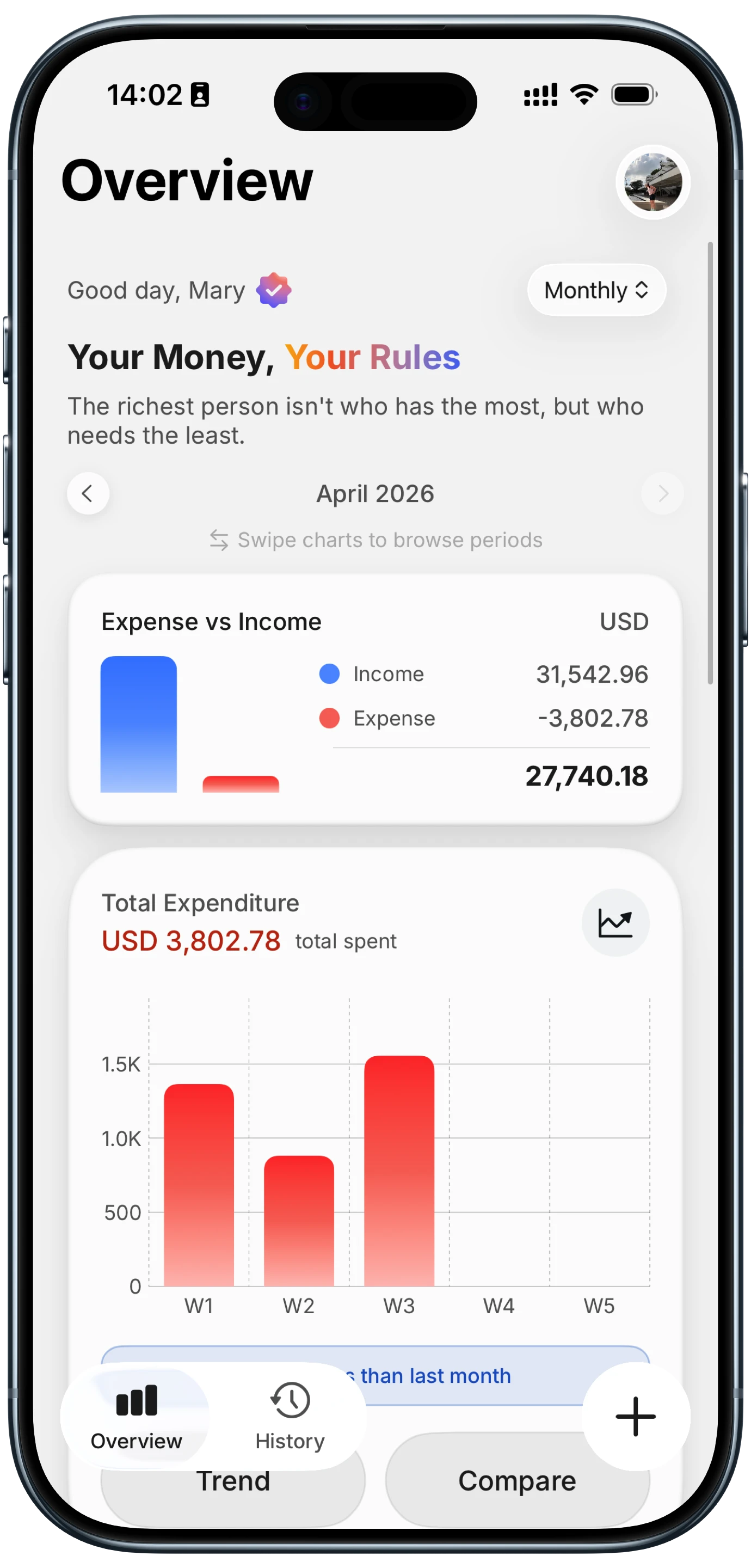
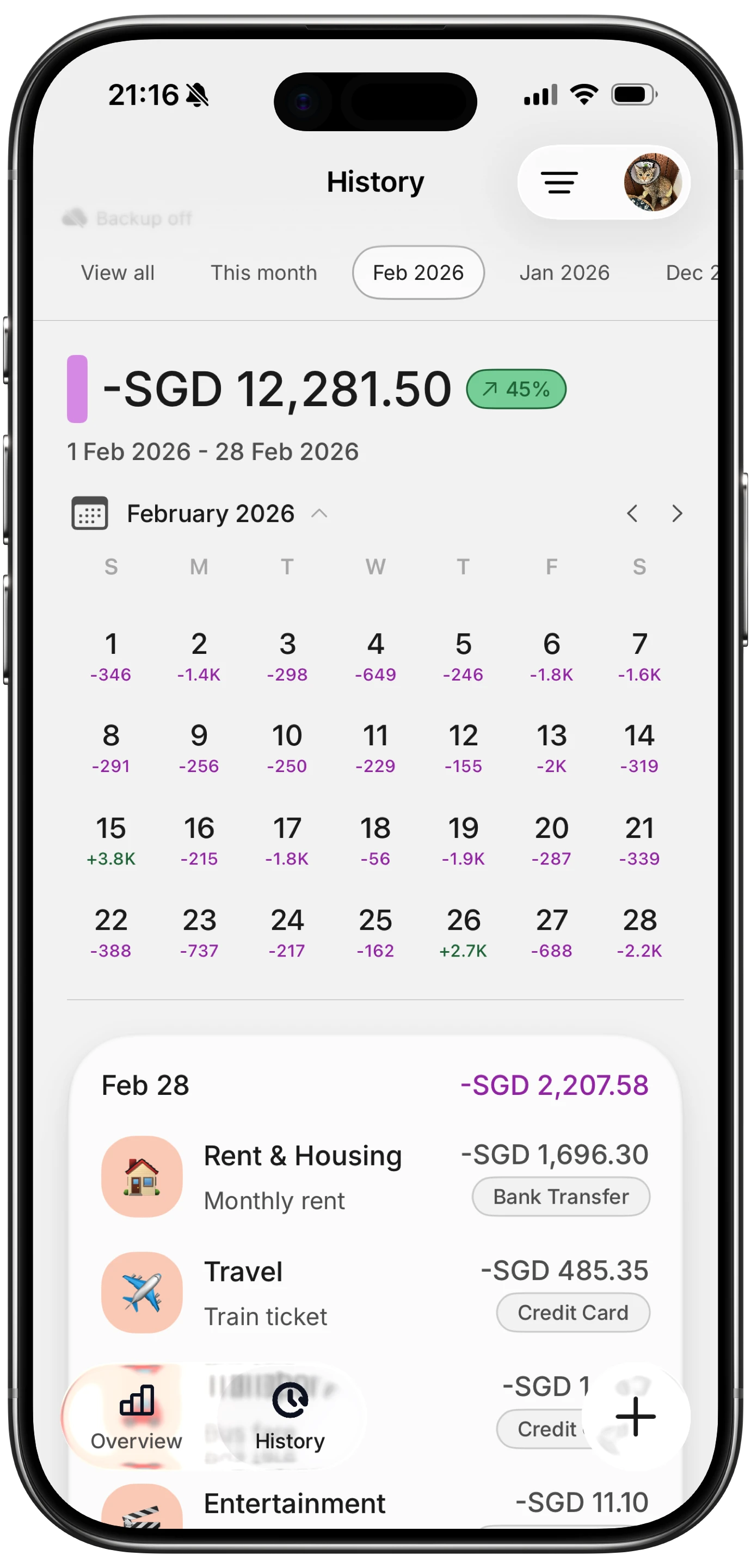
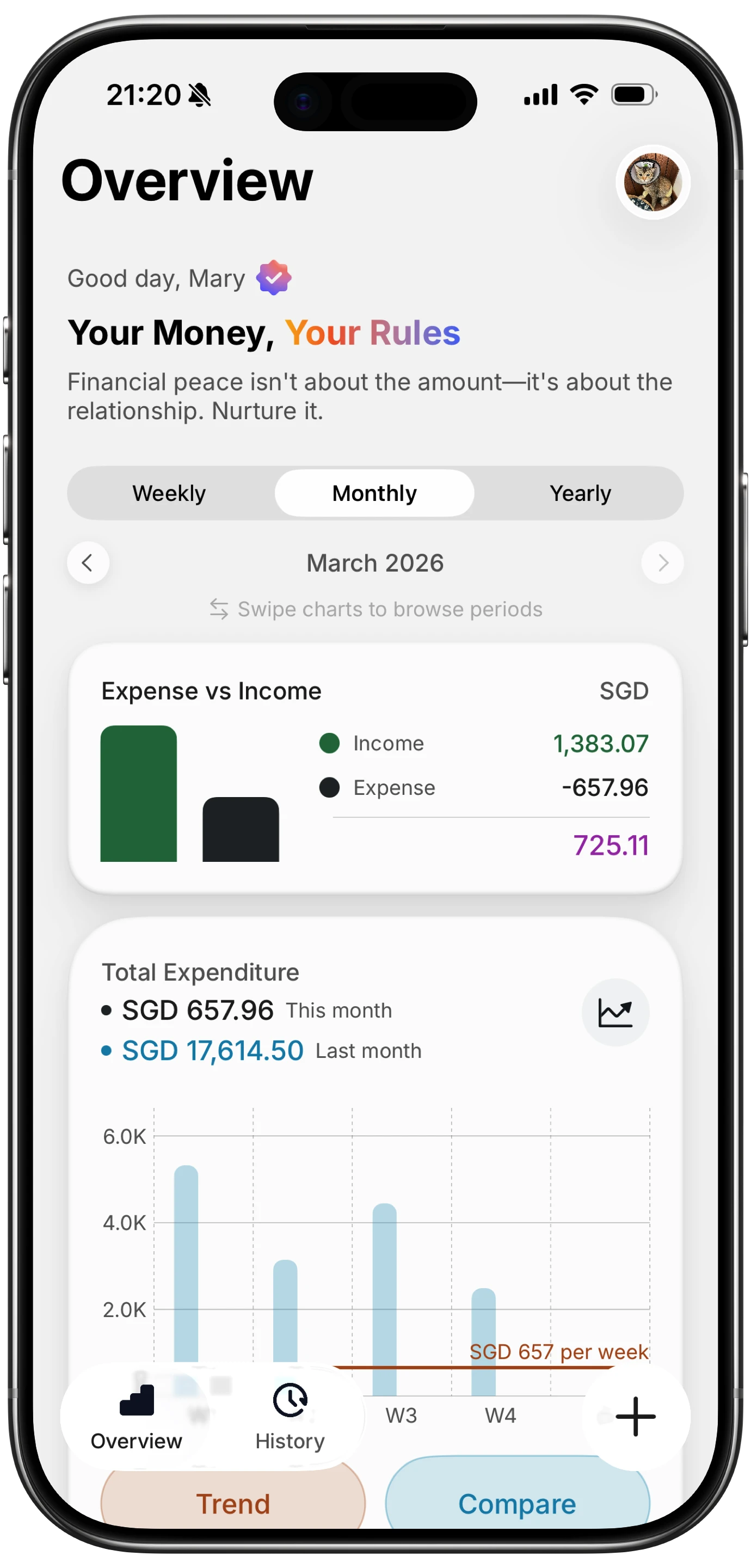
Seeing a string of $0 non-essential days is genuinely energizing, and it's where a tracker earns its keep. A free app like Finny lets you log only-the-essentials in seconds with Quick Log or a Home Screen widget, so your streak of zero-spend days is right there on your phone. Watching that streak grow makes the whole month feel less like deprivation and more like a game you're winning.
Common Mistakes and How to Handle Slip-Ups
Most no-spend months don't fail because of one big purchase. They fail because of a few avoidable patterns.
- Vague rules. If "essential" is undefined, everything starts to feel essential by week three. Decide your list up front.
- No prep. Going in with an empty fridge and active subscriptions sets you up to "have to" spend. Stock up and cancel first.
- Stockpiling for day 31. Filling a cart to check out the second the month ends just shifts the spending, it doesn't reset the habit.
- Going too strict. Banning every social outing can make the month miserable and short-lived. Build in a few pre-planned exceptions so it's sustainable.
And the big one: how to handle a slip. You will probably mess up at some point. You'll grab a coffee on autopilot or cave on a takeout order. That does not end the challenge. A no-spend month is judged on the whole 30 days, not one purchase. Note what triggered it, fix the trigger, and keep going. One slip costs you a few dollars. Quitting costs you the entire reset. Treat mistakes as information, not failure.
What to Do After Your No-Spend Month
Finishing is great, but the real payoff comes from what you do next. Don't let 30 days of discipline quietly leak back out in a week-one spending spree.
Move the savings before you can spend it. Add up what you didn't spend and transfer it the same day, ideally into a separate account. Out of sight, out of reach.
Give it a job. Money with a purpose is far easier to keep. Roll your savings into a specific goal: an emergency fund, a debt payment, or a trip. Assigning it now prevents it from drifting back into everyday spending.
Keep the habits that worked. Maybe meal planning saved you the most, or muting promo emails killed your impulse buys. Keep those. You don't have to live in permanent no-spend mode, but the best habits are worth carrying forward.
Make it a rhythm. Many people run a no-spend month each quarter, or string together no-spend weekends in between. If you enjoyed the structure, the saving money challenge guide has eight more formats, from the 52-week plan to envelope challenges, that pair perfectly with what you just built.
Frequently Asked Questions
What are the rules of a no-spend month?
The core rule is simple: for 30 days, you only spend on essentials. That means rent, utilities, groceries, transportation, medical needs, insurance, and minimum debt payments. Everything optional, like dining out, impulse buys, new clothes, and non-essential subscriptions, is paused. The most important step is writing down your own essential-versus-non-essential list before you start, plus any pre-planned exceptions, so there's no negotiating in the moment.
What counts as essential during a no-spend month?
Essentials are things that keep your life and health running, where skipping them causes real harm. That typically includes housing, utilities and phone, planned groceries, transportation to work, healthcare and prescriptions, insurance, minimum debt payments, and basic childcare or pet care. The test is whether the cost is necessary and unavoidable. A grocery run is essential; a restaurant meal is not. Coffee at home is essential-ish; a daily coffee-shop habit is a non-essential you pause.
How much can you save in a no-spend month?
It varies widely because it depends entirely on your normal discretionary spending. Someone who eats out often, shops for fun, and pays for several subscriptions will save far more than someone who already lives lean. Many people free up anywhere from a couple hundred to over a thousand dollars in a single month. The exact figure matters less than the habit: tracking what you didn't spend shows you the real size of your optional spending and where to cut going forward.
What's the difference between a no-spend month and a spending fast?
A no-spend month is a fixed 30-day reset where you pay for essentials and pause everything else. A spending fast is usually stricter and can run longer, sometimes cutting even gray-area categories or aiming for full zero-spend windows with no purchases at all. Think of the no-spend month as a structured, sustainable habit reset, and a spending fast as a more intense, disciplined cleanse. Both share the same goal: spend less, with intention.
A no-spend month challenge works because it replaces vague intentions with clear rules and a finish line. You define your essentials, pause your wants for 30 days, track every urge, and watch your savings grow. The cash you keep matters, but the bigger win is seeing how much you spend on autopilot and proving you can stop.
If you want an easy way to log essentials, count your zero-spend days, and see exactly where your money goes, download Finny and start your no-spend month challenge with a tracker that keeps the streak in view.