Personal Finance Basics: A Beginner's Guide
Money touches nearly every part of daily life, yet most people never receive formal instruction on how to manage it. Schools rarely teach it. Parents may not discuss it. And by the time you are earning a steady income, the assumption is that you already know what to do.
You probably do not. That is normal.
Personal finance basics are the foundational skills and concepts that help you earn, spend, save, and grow your money with intention. They are not complicated, but they do require learning and, more importantly, consistent practice. This guide covers the core pillars of personal finance so you can build a strong foundation, regardless of your income level or starting point.
Why Personal Finance Basics Matter
Understanding the basics is not about becoming wealthy overnight. It is about making informed decisions that compound over time. Building financial literacy early gives you a lasting advantage. A person who learns to budget at 25 and invests even small amounts consistently will be in a dramatically different financial position at 50 than someone who earns the same income but never develops those habits.
The basics also protect you. Without them, you are more vulnerable to debt spirals, financial emergencies, and decisions driven by stress rather than strategy. With them, you gain clarity about where your money goes and confidence in where it is heading.
For a broader overview of all the areas personal finance covers, our complete guide to personal finance goes deeper into each topic.
Pillar 1: Know Where Your Money Goes
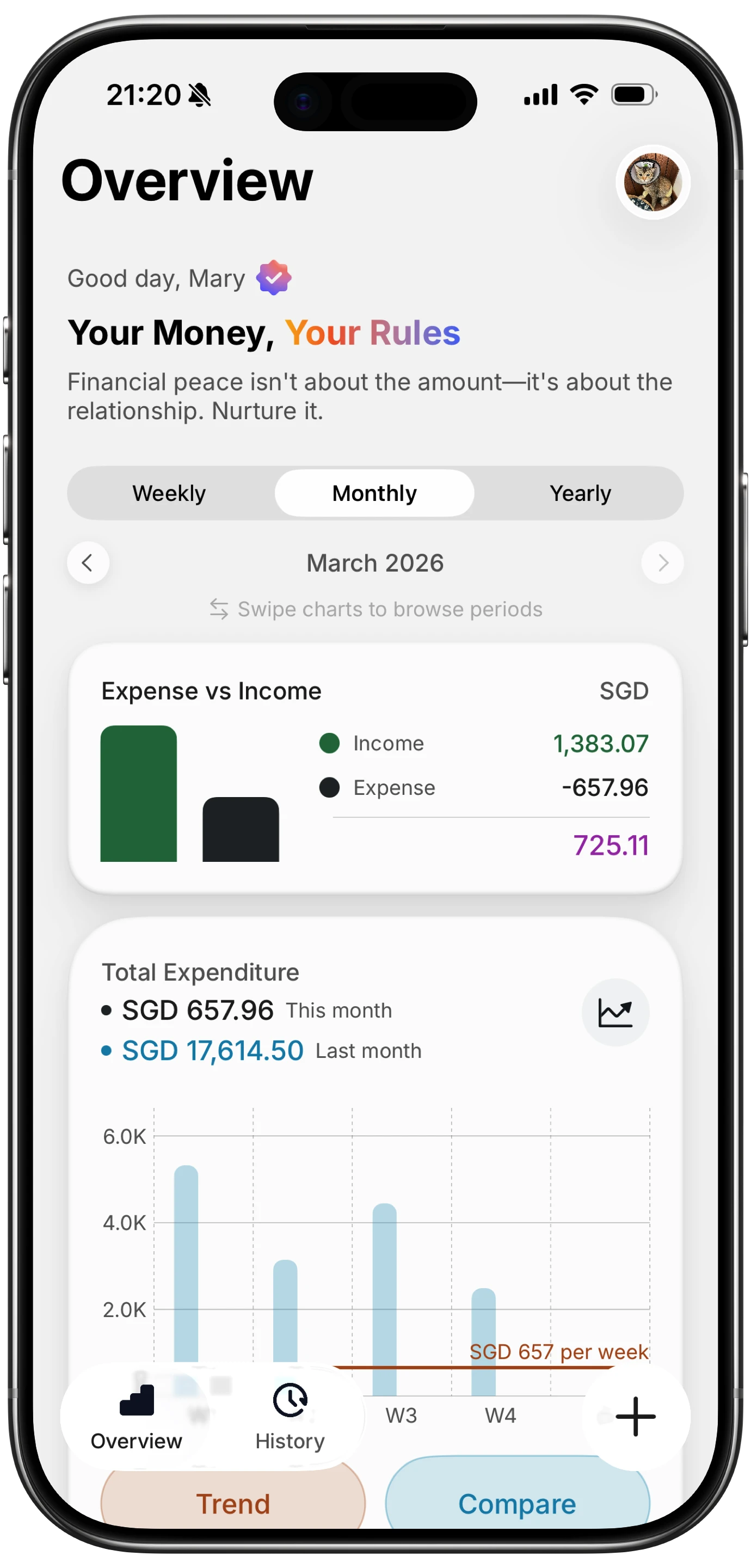
The single most impactful personal finance habit is tracking your spending. Before you can budget, save, or invest, you need an honest picture of your current financial behavior.
Most people overestimate how much they save and underestimate how much they spend. Small, recurring purchases (coffee, subscriptions, convenience fees) add up quickly. Without tracking, these patterns stay invisible.
Start by reviewing the last 30 days of spending. Categorize each expense as a need, a want, or a savings contribution. You do not need a complex system. A simple list works. The goal is awareness, not perfection.
If you want a structured approach, our guide on how to track expenses walks through several methods, from spreadsheets to apps.
Pillar 2: Build a Budget That Fits Your Life
A budget is a spending plan. It tells your money where to go before you spend it. Without one, you are reacting to expenses as they come rather than directing your income toward what matters.
There are several proven budgeting methods, and the best one is the one you will actually follow.
The 50/30/20 Rule
This is the simplest starting point. It divides your after-tax income into three buckets:
- 50% for needs. Rent, groceries, utilities, insurance, minimum debt payments.
- 30% for wants. Dining out, entertainment, hobbies, subscriptions.
- 20% for savings and debt repayment. Emergency fund, retirement, extra debt payments.
Our detailed breakdown of the 50/30/20 rule explains how to apply it and when to adjust the percentages.
Zero-Based Budgeting
This method assigns every dollar a job. Income minus all allocated categories equals zero. It provides more control but requires more time. It works well for people who want to know exactly where each dollar goes.
Which Method Should You Choose?
If you are new to budgeting, start with 50/30/20. It is forgiving and easy to maintain. Once you have a few months of experience and want more precision, consider switching to zero-based. For a full comparison of methods, read our guide on how to budget money.
Pillar 3: Build an Emergency Fund
An emergency fund is money set aside specifically for unexpected expenses: job loss, medical bills, car repairs, or urgent home fixes. It is not a savings goal you tap into for vacations or purchases. It is a financial buffer that keeps you from going into debt when life gets expensive.
The standard recommendation is three to six months of living expenses. That may sound like a lot, especially if you are starting from zero. But you do not need to build it all at once.
Start with a smaller target. Even $500 or $1,000 covers many common emergencies and gives you breathing room. Then build from there, contributing a fixed amount each month.
Our guide on what an emergency fund is and why you need one covers how to calculate your target and where to keep the money.
Pillar 4: Understand and Manage Debt
Not all debt is equal. A mortgage or student loan can be a reasonable tool when managed well. High-interest credit card debt, on the other hand, erodes your finances quickly.
As of early 2026, Americans collectively owe over $1.3 trillion in credit card debt, with average interest rates around 18.7%. At that rate, a $5,000 balance making only minimum payments could take over 15 years to pay off, and you would pay thousands in interest alone.
Two Common Payoff Strategies
- Debt snowball. Pay off the smallest balance first, then roll that payment into the next smallest. The psychological wins from eliminating accounts keep you motivated.
- Debt avalanche. Pay off the highest-interest debt first, regardless of balance size. This saves more money in interest over time.
Both work. The snowball method is better for motivation. The avalanche method is better for math. Choose whichever you are more likely to stick with.
A Key Metric: Debt-to-Income Ratio
Your debt-to-income ratio compares your monthly debt payments to your monthly income. Lenders use it to assess your borrowing capacity. A ratio below 36% is generally considered healthy. Above 50% signals financial strain.
Pillar 5: Start Saving and Investing Early
Saving and investing serve different purposes. Saving preserves money for short-term needs and emergencies. Investing grows money for long-term goals like retirement.
The most powerful force in investing is compound interest. When your investment returns generate their own returns, growth accelerates over time. Starting early, even with small amounts, matters more than starting with large sums later.
Where to Start
-
High-yield savings account. For your emergency fund and short-term goals. In 2026, some accounts offer around 5% APY, which is significantly better than the 0.01% at most traditional banks.
-
Employer retirement plan (401k). If your employer offers a match, contribute at least enough to get the full match. It is free money. The 2026 contribution limit is $24,500.
-
IRA (Individual Retirement Account). A Roth IRA is especially useful for younger earners, since contributions grow tax-free. The 2026 limit is $7,500.
-
Index funds. Low-cost, diversified funds that track a market index. They require no active management and have historically outperformed most actively managed funds over long periods.
You do not need to understand every investment vehicle to start. Begin with one account, automate contributions, and learn as you go.
Pillar 6: Know Your Net Worth
Your net worth is the simplest snapshot of your overall financial health. The formula is straightforward:
Net worth = Total assets minus total liabilities
Assets include cash, savings, investments, and property. Liabilities include all debts: mortgages, student loans, credit cards, car loans.
A negative net worth is common for young adults with student debt. That is not a reason to panic. It is a starting point. Tracking your net worth over time shows whether your financial decisions are moving you in the right direction, even when progress feels slow.
Pillar 7: Build Consistent Habits
Knowledge without action changes nothing. The difference between people who manage money well and those who struggle is rarely intelligence or income. It is habits.
A few habits that make a real difference:
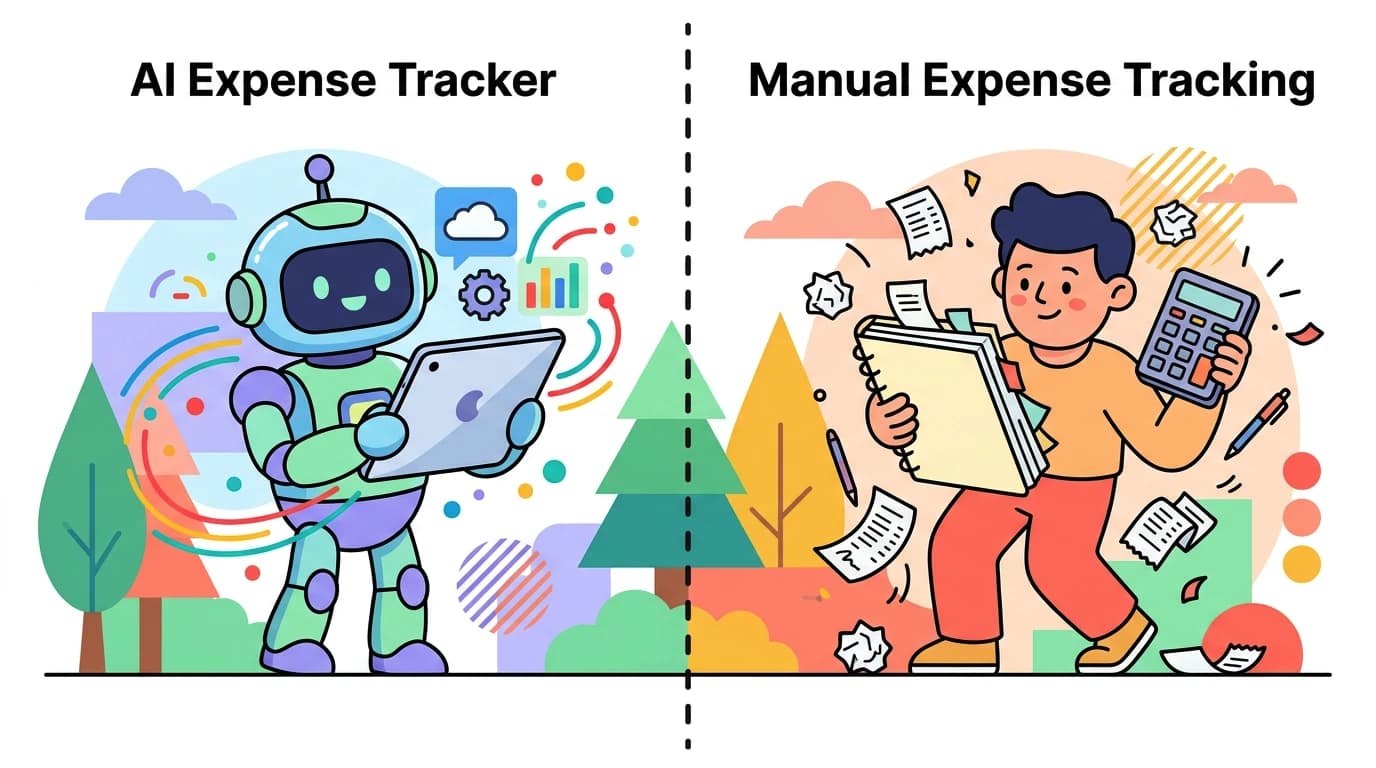
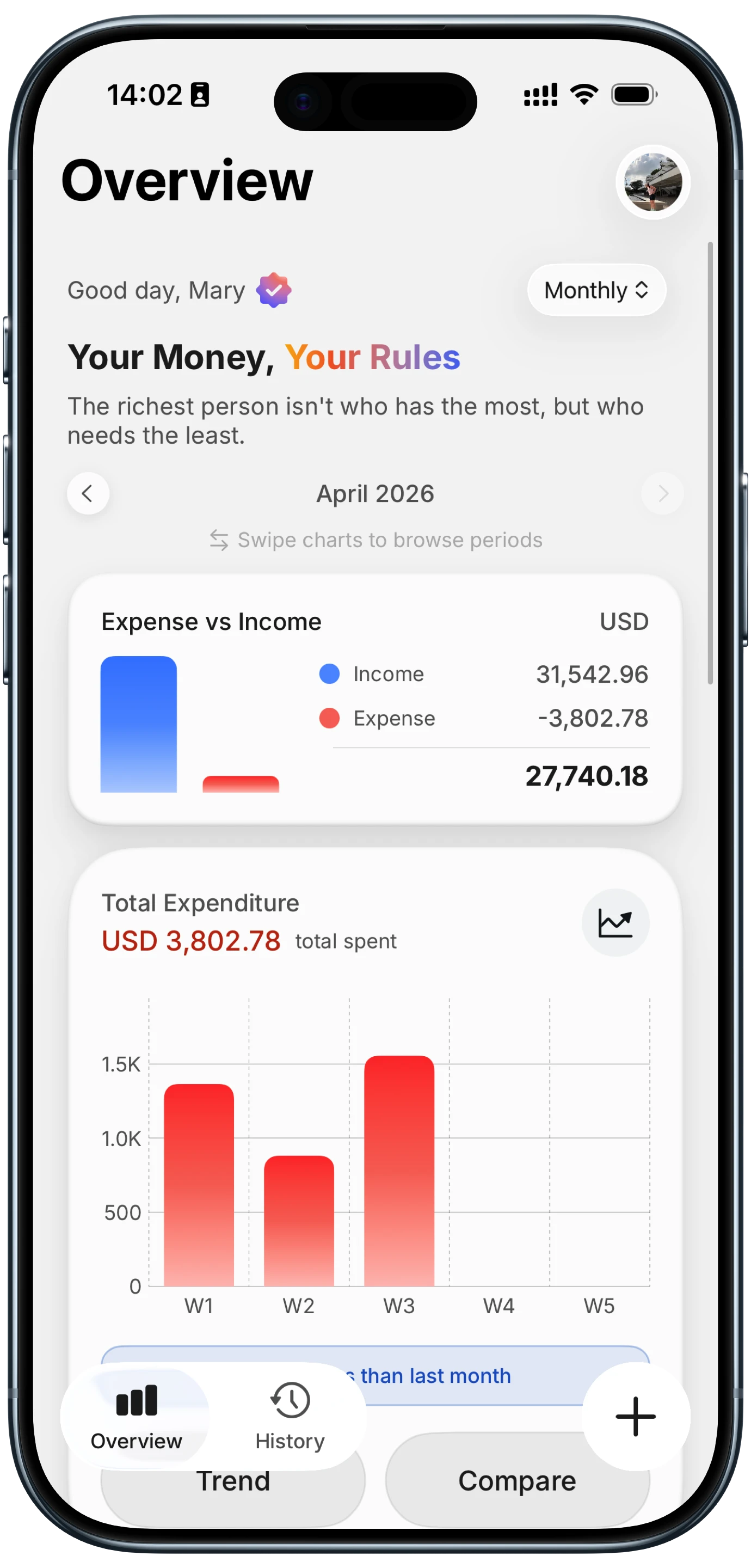
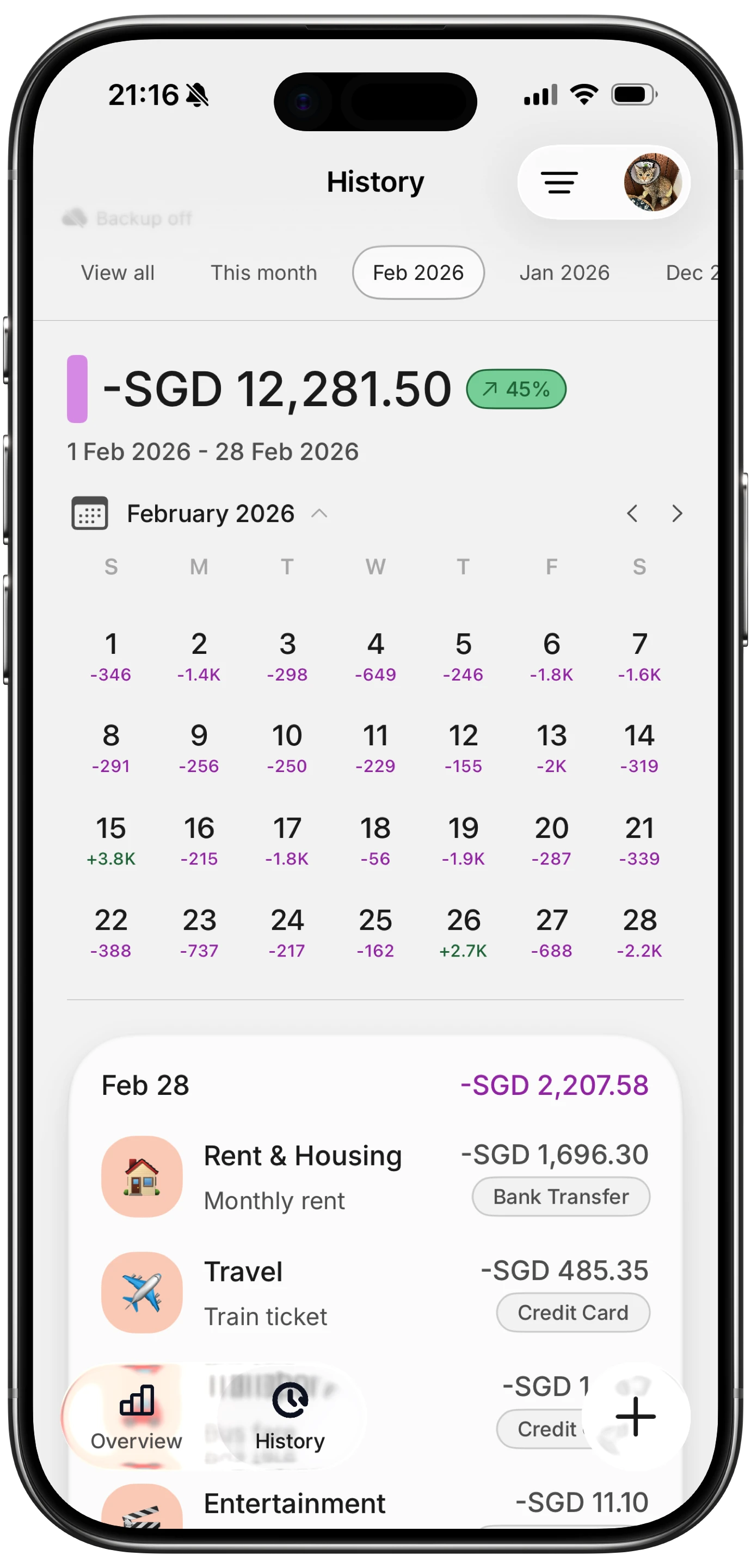
- Track every expense. Even for a week, this builds awareness. Tools like Finny make this easy with voice input and receipt scanning, so logging a purchase takes seconds rather than minutes.
- Automate savings. Set up automatic transfers to your savings or investment accounts on payday. If the money moves before you see it, you will not miss it.
- Review weekly. Spend 10 minutes each week reviewing your spending against your budget. Small corrections prevent large problems.
- Wait before buying. A 24-hour rule on non-essential purchases over $50 eliminates most impulse spending.
- Learn continuously. Read one article or watch one video about personal finance each week. Small, consistent learning compounds just like interest.
A Simple Personal Finance Checklist for Beginners
If the pillars above feel like a lot, here is a simplified action plan:
- Track your spending for 30 days.
- Choose a budgeting method and create your first budget.
- Open a high-yield savings account for your emergency fund.
- Set up automatic transfers to savings on each payday.
- List all debts with their interest rates and minimum payments.
- Start paying extra toward your highest-interest or smallest debt.
- If your employer offers a 401(k) match, enroll and contribute enough to get it.
- Calculate your net worth and record it. Repeat quarterly.
You do not need to do all eight steps in one week. Pick one, complete it, and move to the next. Progress matters more than speed.
Frequently Asked Questions
What are the 5 basics of personal finance?
The five core areas are budgeting, saving, investing, debt management, and insurance (or risk protection). Budgeting and saving form the foundation. Investing builds long-term wealth. Debt management prevents interest from eroding your progress. Insurance protects against catastrophic losses. Together, they cover the essential financial decisions most people face.
How much money should I have saved by 30?
A commonly cited benchmark is having one year's salary saved by age 30. However, this varies significantly based on your income, cost of living, and financial goals. A more practical target: have a fully funded emergency fund (three to six months of expenses) and be consistently contributing to retirement savings. If you are not there yet, start now. The best time to begin is always today.
Can I manage personal finance without a financial advisor?
Yes. Most personal finance basics can be self-taught and self-managed. Budgeting, saving, basic investing in index funds, and debt management do not require professional help. A financial advisor becomes valuable when your situation is more complex: high net worth, business ownership, estate planning, or tax optimization. For everyday money management, apps like Finny and free educational resources are enough to get started and stay on track.
What is the best way to start budgeting with no experience?
Begin with the 50/30/20 rule. Calculate your after-tax income, then allocate 50% to needs, 30% to wants, and 20% to savings and debt repayment. Track your spending for one month to see how your current habits compare, then adjust. You do not need a perfect budget on the first attempt. The goal is to create a reasonable plan and refine it over time.
How do I stay motivated to manage my money?
Connect your financial habits to specific goals. "Save $200 a month" feels abstract. "Save $200 a month so I can take a two-week trip next year" feels meaningful. Track your progress visually: a simple chart or a savings balance that grows each month provides concrete feedback. And be patient with yourself. Building financial habits is a long game, and small, steady steps produce real results.
Ready to build better money habits?
Download Finny to start tracking expenses with AI-powered input, offline support, and spending analytics. No bank connections required, and your data stays private.