How to Save Money for Students: 10 Tips That Actually Work
College is expensive. Between tuition, textbooks, rent, and the occasional late-night food run, money disappears faster than you thought possible. But here is the good news: learning how to save money for students does not require a finance degree or a trust fund. It takes a few smart habits, a bit of awareness, and the willingness to make small changes that add up over time.
This guide covers ten practical, student-tested strategies to help you keep more of your money without giving up everything you enjoy.
Why Saving Money in College Matters More Than You Think
It is tempting to push financial planning to "later" when you have a "real" job. But the habits you build now follow you after graduation. Students who learn to budget their money early tend to carry that discipline into their careers, avoid unnecessary debt, and reach financial milestones faster.
Even small wins matter. Saving $50 a month during a four-year degree adds up to $2,400 before interest. Start earlier, and compound growth does the rest.
1. Know Where Your Money Goes
You cannot fix what you cannot see. The single most effective step is to track your expenses for at least one full month. Write down every coffee, every subscription renewal, every impulse purchase at the campus bookstore.
Most students are surprised by what they find. That $6 iced latte three times a week? That is over $900 a year.
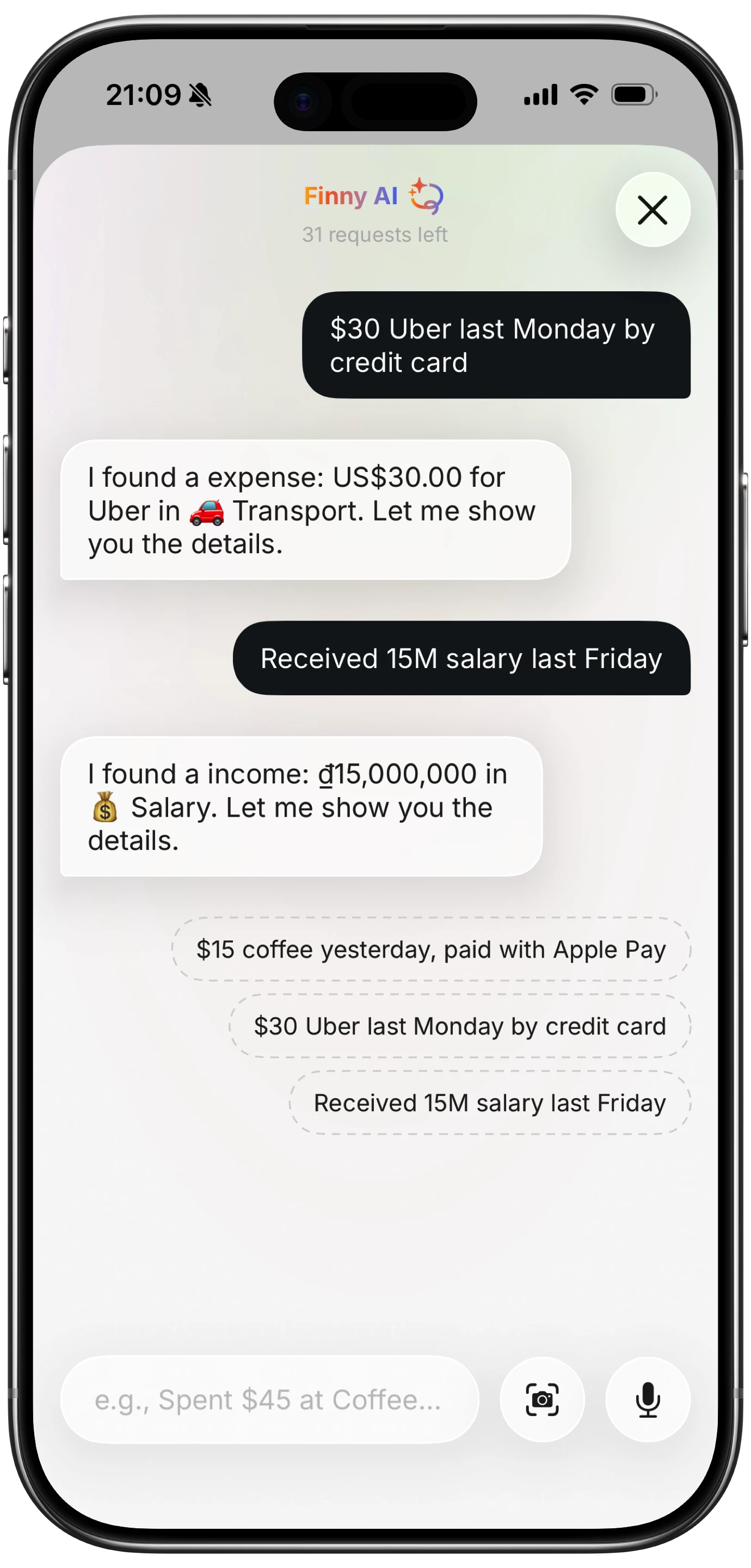
Tracking does not need to be complicated. A quick note on your phone right after you buy something is enough to start. The goal is awareness, not perfection.
2. Build a Simple Budget
Once you know where your money goes, give every dollar a job. The 50/30/20 rule is a popular starting point:
- 50% for needs: rent, groceries, transportation, tuition-related costs
- 30% for wants: dining out, entertainment, new clothes
- 20% for savings and debt: emergency fund, loan payments, future goals
If your income is uneven (part-time shifts, freelance gigs, financial aid disbursements), budget based on your lowest expected monthly income. Anything above that goes straight to savings.
3. Cut Textbook Costs
The average college student spends over $1,200 per year on textbooks and supplies. That number is absurd, and most of it is avoidable.
Try these alternatives:
- Rent textbooks instead of buying them
- Buy used copies from upperclassmen or online marketplaces
- Check if your campus library has a reserve copy
- Look for free PDF versions or open-source textbooks
- Share a copy with a classmate for courses where you do not need it daily
Before the semester starts, email your professors and ask which books are truly required. Many will tell you honestly that certain readings are optional.
4. Cook More, Order Less
Eating out is one of the biggest budget leaks for students. A single restaurant meal averages $15 or more, while a home-cooked meal costs $4 to $6. If you eat out just three fewer times per week, that is roughly $120 a month back in your pocket.
You do not need to become a chef. Start with basics:
- Batch-cook rice, pasta, or soup on Sundays
- Keep frozen vegetables on hand for quick stir-fries
- Pack lunch the night before instead of buying on campus
- Split grocery runs with roommates to save on bulk items
The dining hall meal plan, if you already paid for it, should be your first choice. Do not waste swipes.
5. Audit Your Subscriptions
Streaming services, app subscriptions, cloud storage, gym memberships you forgot about: these small recurring charges add up to subscription creep. The average American has over $200 per month in subscriptions, and students are no exception.
Go through your bank statement and list every recurring charge. Ask yourself:
- Do I actually use this every week?
- Can I share this with a friend or family member?
- Is there a free alternative that does the job?
Cancel anything you have not used in the last 30 days. You can always re-subscribe later if you miss it.
6. Use Your Student ID for Everything
Your .edu email and student ID are worth real money. Discounts are available at more places than you might expect:
- Software: Microsoft Office, Adobe Creative Cloud, GitHub Pro
- Streaming: Spotify, Apple Music, Amazon Prime Student
- Retail: ASOS, Nike, Samsung, Apple Education pricing
- Transportation: Amtrak, local transit passes, Zipcar
- Food: Chipotle, Chick-fil-A, and many local restaurants near campus
Always ask "Do you have a student discount?" before paying. The worst they can say is no.
7. Avoid Lifestyle Inflation
When you pick up extra shifts or get a bigger financial aid refund, the temptation is to spend it. New shoes, a nicer apartment, more nights out. This is lifestyle creep, and it is the reason many people earn more but save the same.
Instead, follow a simple rule: every time your income increases, save at least half of the difference before adjusting your spending. Your future self will appreciate the restraint.
8. Use Campus Resources You Already Paid For
Your tuition covers more than classes. Most schools offer:
- Free gym and fitness classes (skip the $40/month gym membership)
- Free counseling and health services
- Career centers with resume reviews and interview prep
- Free software licenses for tools you would otherwise buy
- Events, movies, and concerts hosted by student organizations
These resources exist specifically for you. Using them is not cheap: it is smart.
9. Be Strategic About Transportation
Car ownership in college can cost over $6,000 per year once you factor in gas, insurance, maintenance, and parking passes. If your campus is walkable or has good public transit, going car-free is one of the most impactful financial decisions you can make.
Alternatives to owning a car:
- Campus shuttle and city bus routes (often free with your student ID)
- Biking for short trips
- Carpooling with classmates for grocery runs
- Ride-sharing apps only when truly necessary
If you do have a car, look into whether your school offers discounted parking or if a more affordable off-campus lot is available.
10. Start an Emergency Fund, Even a Small One
This one catches students off guard. An unexpected car repair, a medical bill, or a broken laptop can derail your semester if you have zero cushion. Even $500 set aside makes a huge difference.
Set up a separate savings account and automate a small transfer: $10 or $20 per week adds up. Treat it as a non-negotiable expense, like rent. Having that safety net keeps you from going into credit card debt when life throws a curveball.
For a deeper dive, check out our guide on building money habits that stick long after graduation.
How to Make Saving a Daily Habit
The students who save the most are not the ones who make dramatic sacrifices. They are the ones who build small, consistent routines. Log your spending every day. Review your budget once a week. Check your progress once a month.
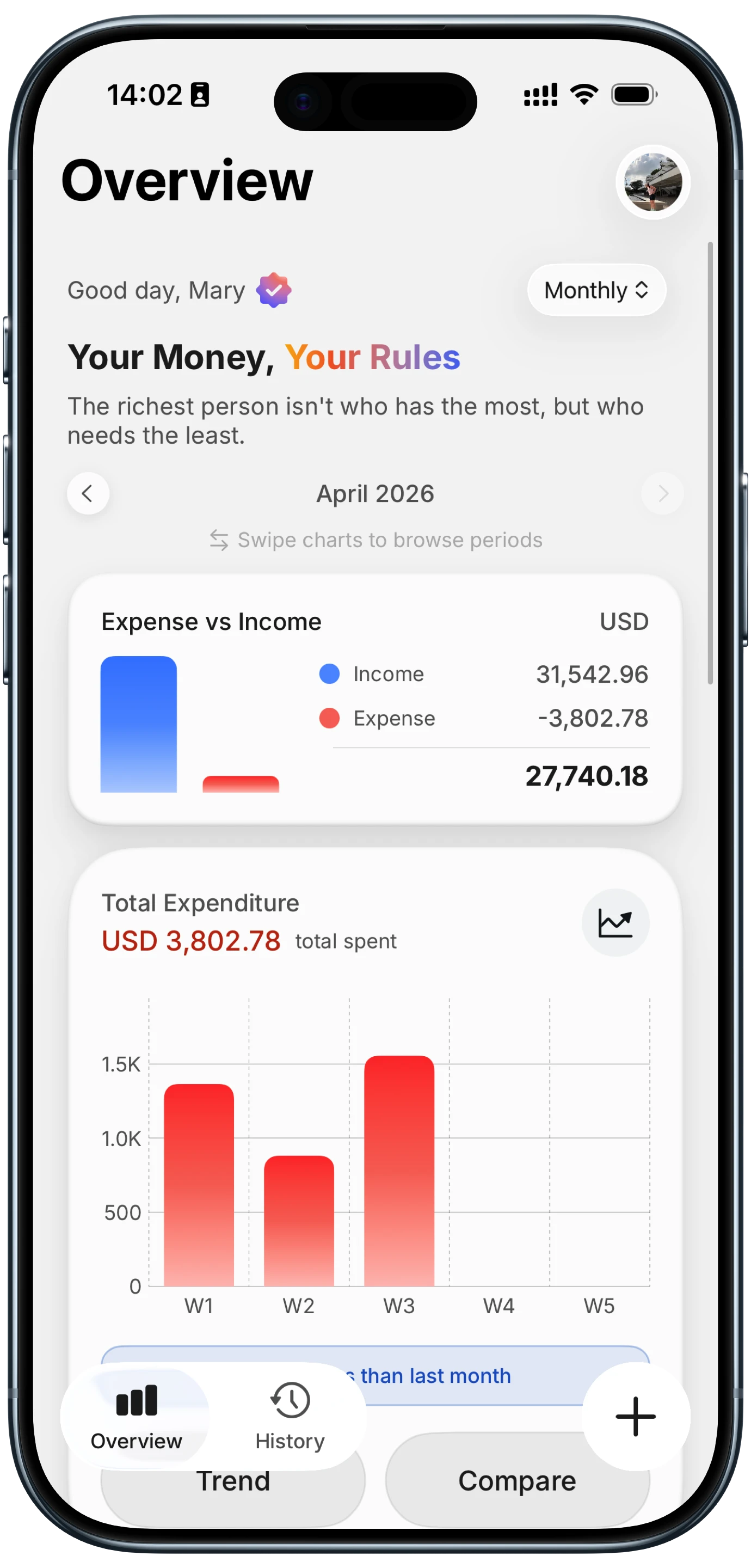
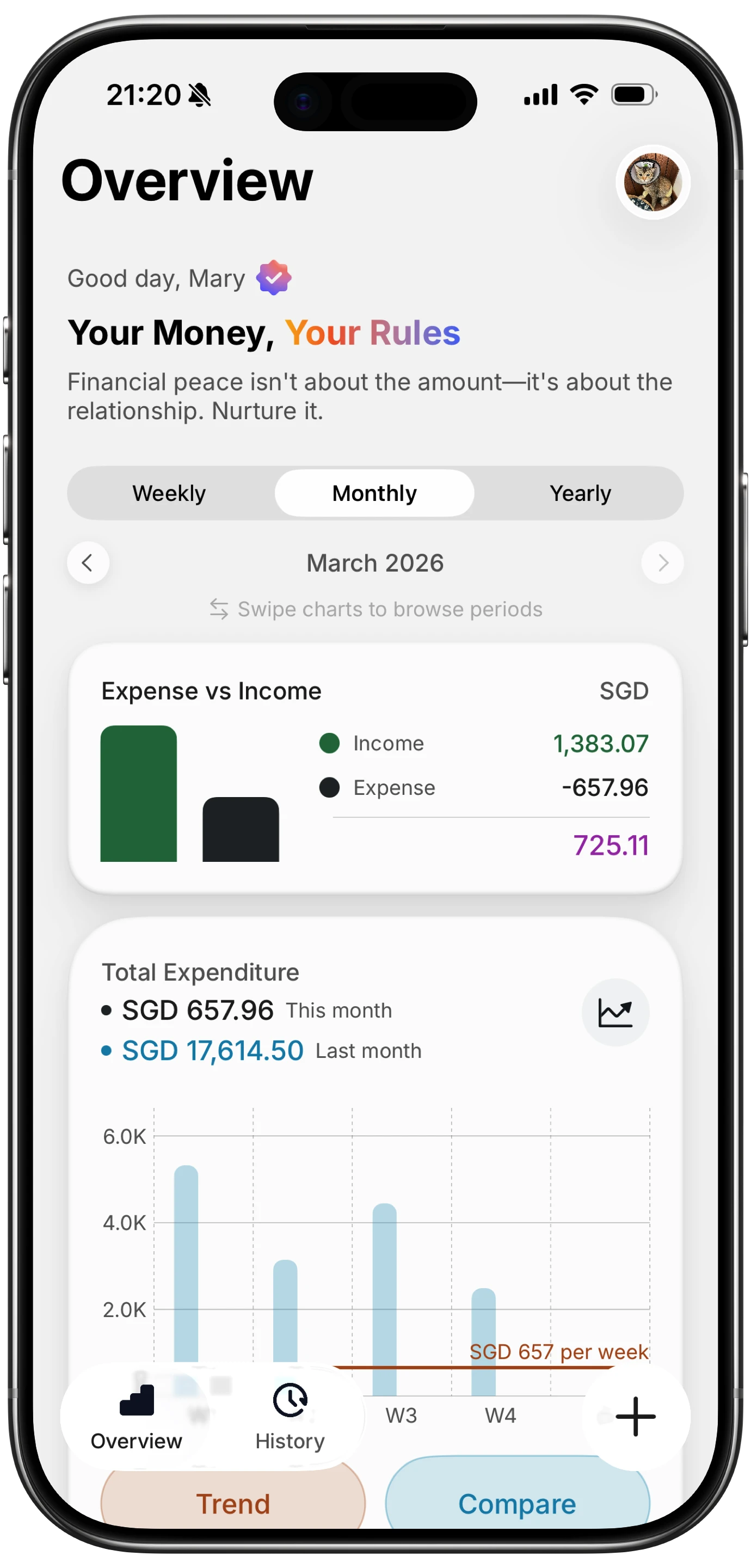
The key is removing friction. If tracking expenses feels like a chore, you will stop doing it. Tools like Finny make it easier by letting you log expenses in seconds with Tap to Track or voice input, so there is no excuse to skip a day. When you can see exactly where your money goes, saving becomes a natural side effect. For app recommendations, see our best budget apps for students in 2026 roundup.
If you want to go deeper on starting your financial journey early, our guide on smart financial planning at an early age is a great next step.
Frequently Asked Questions
How much should a college student save per month?
There is no universal number, but saving 10 to 20 percent of any income you receive is a solid target. If that feels impossible right now, start with whatever you can: even $25 per month builds the habit. The percentage matters less than the consistency.
What is the best way for students to track spending?
The best method is one you will actually stick with. Some students prefer spreadsheets, others use apps. The important thing is logging expenses shortly after they happen so nothing slips through the cracks. Apps with quick-entry features, like Finny's Tap to Track, reduce the effort to just a few seconds per transaction.
How can I save money on groceries as a student?
Plan your meals for the week before you shop, make a list, and stick to it. Buy store-brand products, shop seasonal produce, and avoid shopping while hungry. Splitting bulk purchases with roommates also helps. Discount grocery stores and coupon apps can shave another 10 to 15 percent off your bill.
Should I get a credit card in college?
A credit card can help you build credit history if you use it responsibly: charge only what you can pay off in full each month. But if you tend toward impulse spending, a debit card keeps you from digging into debt. Know yourself honestly before deciding.
Is it worth getting a part-time job in college?
For most students, yes. Part-time work provides spending money, builds your resume, and teaches time management. Research suggests that students who work 15 hours per week or less are more likely to graduate on time than those who work more. The key is finding a balance that does not hurt your grades.
Start Small, Stay Consistent
Saving money as a student is not about deprivation. It is about making intentional choices so you can spend on what actually matters to you and skip what does not. Pick two or three tips from this list, try them for a month, and see what sticks.
The financial habits you build now will pay dividends for decades. And if you want a simple way to stay on top of your spending, download Finny and start tracking today.