Cost of Owning a Dog in 2026: First Year and Beyond
Most people budget for the dog they are bringing home: the adoption fee, a bed, a leash, maybe a crate. Then the first year happens. Vaccines, a spay appointment, a bag of food every few weeks, a sitter for the long weekend, and one night when the dog eats something it should not have. None of these are surprising on their own. Together they add up to far more than the price tag.
This guide walks through the cost of owning a dog in 2026 using the most recent published figures, then turns them into a yearly budget you can actually plan around. You will see what the first year costs compared with every year after, how much size matters, what pet insurance runs, and how to keep a buffer for the bills nobody plans. If you are setting up savings for planned costs like these, our explainer on what a sinking fund is is a useful companion.
How Much Does a Dog Cost per Year?
The most detailed recent source is Rover's 2026 Cost of Pet Parenthood report, published in mid 2026. Rover puts the yearly cost of caring for an adult dog at roughly $1,930 to $5,305. Puppies run wider, from about $1,460 to $6,745 in a year, because of extra vet visits and the things puppies chew. Senior dogs land around $2,475 to $5,200 a year, before end-of-life care.
For a medium-size dog, Rover estimates $145 to $505 a month. That spread is the honest answer to "how much does a dog cost per year": it depends on choices you control (food quality, grooming, how often you travel) and things you do not (breed health, accidents, where you live).
Costs are also moving up. In the same report, 83% of pet parents said their pet expenses rose over the past year, and Rover expected dog care costs to climb as much as 15% in 2026, driven mostly by vet prices and tariffs on food and supplies, according to Fortune's coverage of the report.
Plan around the middle of the range. The low end assumes a healthy dog, no boarding, and no insurance.
First-Year Dog Costs vs Ongoing Costs
Like any big life change, a dog has two kinds of costs. One-time setup costs hit in the first few weeks. Ongoing costs repeat every month or year for the rest of the dog's life.
Rover puts 2026 upfront costs at roughly $1,195 to $4,650. A shelter or rescue adoption usually sits at the low end, partly because many adoption fees already include spay or neuter, a microchip, and a first round of vaccines. Buying from a breeder is a different number: Rover lists breeder prices alone at $675 to $4,440, before any supplies.
Typical one-time items:
- Adoption fee or purchase price: the widest swing in the whole budget.
- First vet visits: puppy vaccine series, deworming, and a wellness exam.
- Spay or neuter and microchip: if the shelter or breeder did not cover them.
- Gear: crate, bed, bowls, leash, collar, ID tag, gates, and a car harness.
- Training: a basic puppy or obedience class.
Ongoing costs are where the real money goes. That is why first year dog costs feel heavy but the yearly costs matter more: a $2,000 setup is paid once, while $3,000 a year for twelve years is $36,000. Rover's lifetime estimate for a medium dog is $35,415 to $43,285, which lines up with that math.
How Size Changes the Cost of Owning a Dog
Size is the single biggest lever after your own choices. A bigger dog eats more, needs larger doses of preventives and medication, costs more to board, and often pays more for insurance. Rover found that small-breed adult dogs can cost as much as 63% less per year than large and giant breeds.
The table below is our own planning budget, built to sit inside Rover's ranges and NAPHIA's insurance averages. Treat it as a starting point, not a quote.
| Yearly cost | Small dog (under 25 lb) | Medium dog (25 to 60 lb) | Large dog (60 lb and up) |
|---|---|---|---|
| Food and treats | $300 to $600 | $500 to $900 | $800 to $1,500 |
| Routine vet, vaccines, flea, tick and heartworm prevention | $400 to $700 | $500 to $850 | $600 to $1,100 |
| Pet insurance (accident and illness) | $400 to $700 | $600 to $900 | $800 to $1,300 |
| Grooming | $150 to $600 | $150 to $600 | $200 to $800 |
| Boarding, sitters, or walkers | $300 to $1,500 | $300 to $1,500 | $300 to $1,500 |
| Toys, beds, and replacement supplies | $100 to $250 | $150 to $300 | $200 to $400 |
| License | $10 to $50 | $10 to $50 | $10 to $50 |
| Yearly total | $1,660 to $4,400 | $2,210 to $5,100 | $2,910 to $6,650 |
Grooming depends more on coat than size: a doodle or a double coat may need a professional every six to eight weeks. Boarding depends on your life: if you travel often or work long days, a walker can become the largest line. License fees are set locally and are often lower for spayed or neutered dogs.
Pet Insurance Cost and the Bills That Repeat
Pet insurance is optional, but it is the line most people underestimate. According to the NAPHIA 2026 State of the Industry report, the average accident and illness policy for a US dog cost $836 a year in 2025, up 11.5% from 2024. Accident-only plans averaged $190, and plans with built-in wellness coverage averaged $1,414. Only about 6% of US dogs are insured, so most owners are paying vet bills directly.
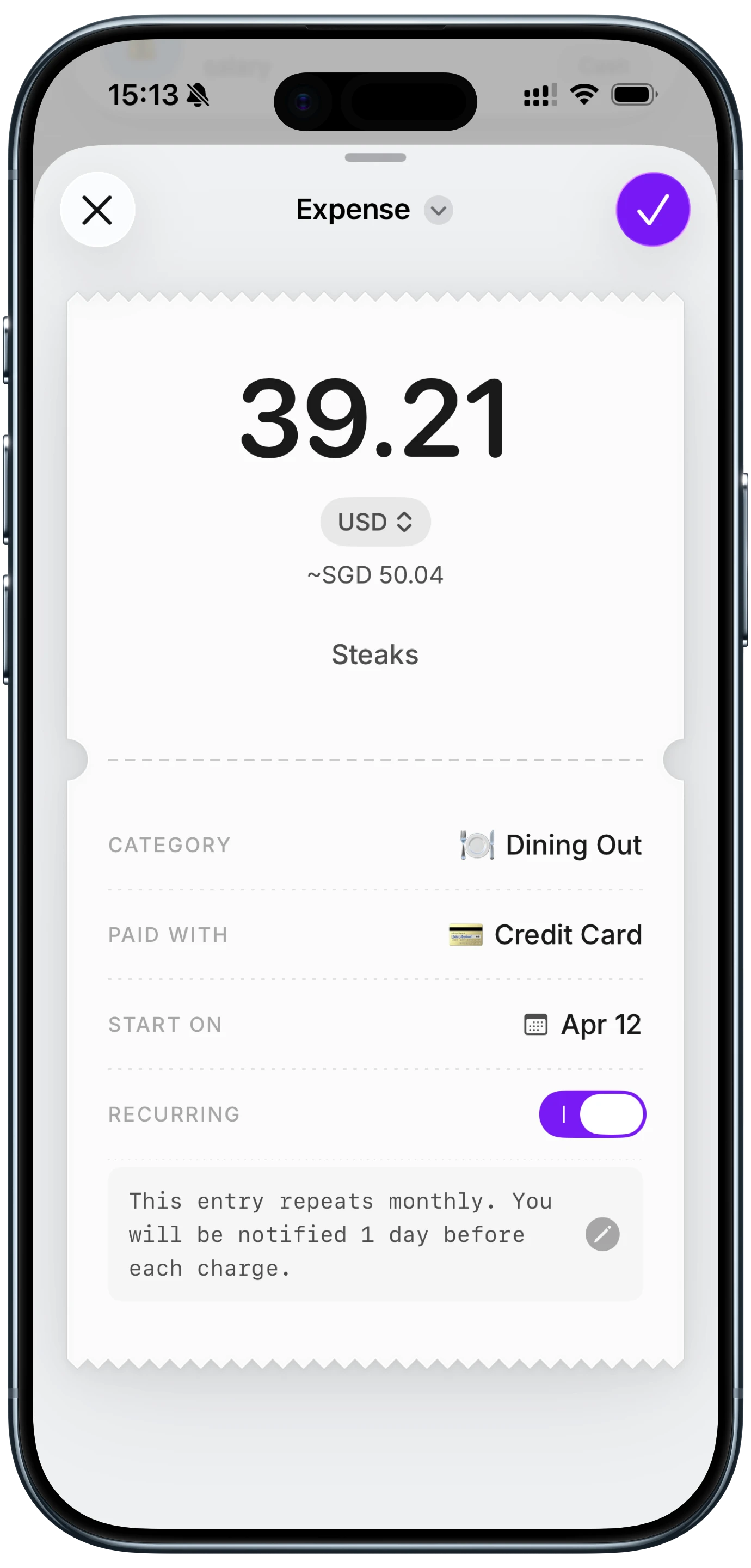
Finny app's expense entry feature
Insurance, food delivered on a schedule, and monthly preventives have one thing in common: they repeat. Repeating bills are the easiest part of the cost of owning a dog to forget, because each one feels small. In Finny, any entry can become a recurring rule with the Recurring switch, and the rule can remind you before the charge arrives. Recurring rules and reminders are free, and the upcoming bills show on your Overview, so the insurance premium and the food order stop being a surprise. Our guide to never missing a bill payment covers the broader habit.
Whether insurance is worth it depends on your buffer. If you could pay a $3,000 surgery from savings without stress, you might self-insure and put the premium into a savings account instead. If a large bill would go on a credit card, a policy with a sensible deductible is usually the calmer choice. Read the exclusions closely: pre-existing conditions are generally not covered, and premiums tend to rise as dogs age.
Surprise Costs and an Emergency Buffer
Every dog owner eventually gets the call or the late-night drive. Rover estimates that "extra" dog costs, from emergency visits to boarding, run $1,055 to $4,425 a year. An emergency vet visit typically starts around $300 and can reach $4,000 once diagnostics and an overnight stay are added, and emergency surgery at a specialty hospital can cost $5,000 to $8,000 or more.
The same report found that 38% of pet parents could not cover an emergency vet visit without going into debt, and only 10% had savings set aside specifically for pet emergencies. That gap is the real risk in a dog budget, more than food or toys.
A simple plan:
- Pick a target. A dog emergency fund of $1,000 to $3,000 covers most urgent visits. Large breeds and breeds with known health issues deserve the higher end.
- Fund it monthly. Setting aside $100 a month reaches $1,200 within a year, and $50 a month gets you there in under two years.
- Keep it separate. A dedicated savings bucket, like a sinking fund, stops the money from quietly turning into groceries.
- Back it up. Your household emergency fund is the second layer. If you are building one from scratch, our guide on how to build an emergency fund fast shows a realistic pace.
Smaller surprises add up too: chewed shoes, pet rent if you move, and holiday boarding rates.
How to Track Your Dog Budget
A budget is a guess. Tracking tells you whether the guess was right. The goal is a single yearly number for your dog, so next year's budget is based on what you actually spent.
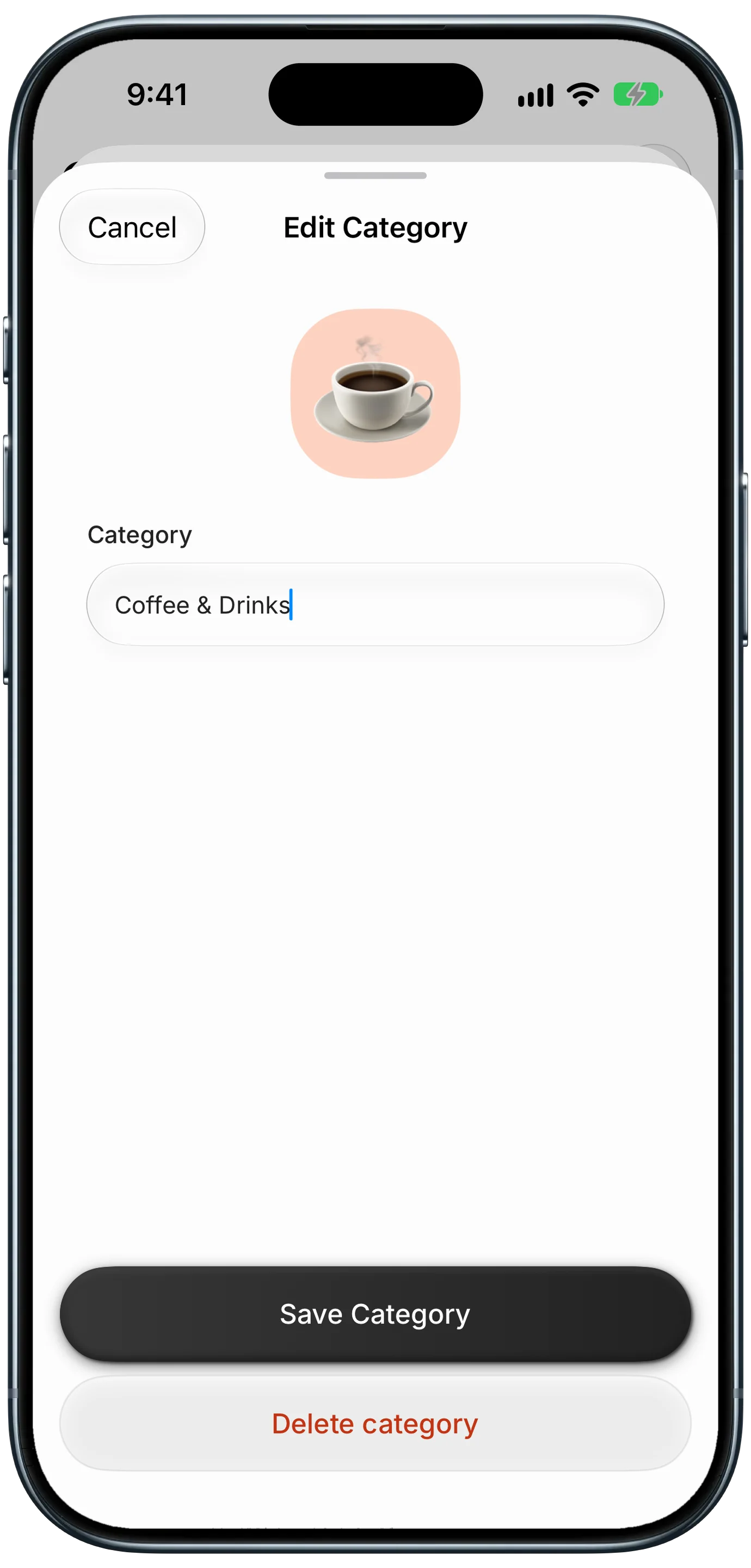
Finny app's categories feature
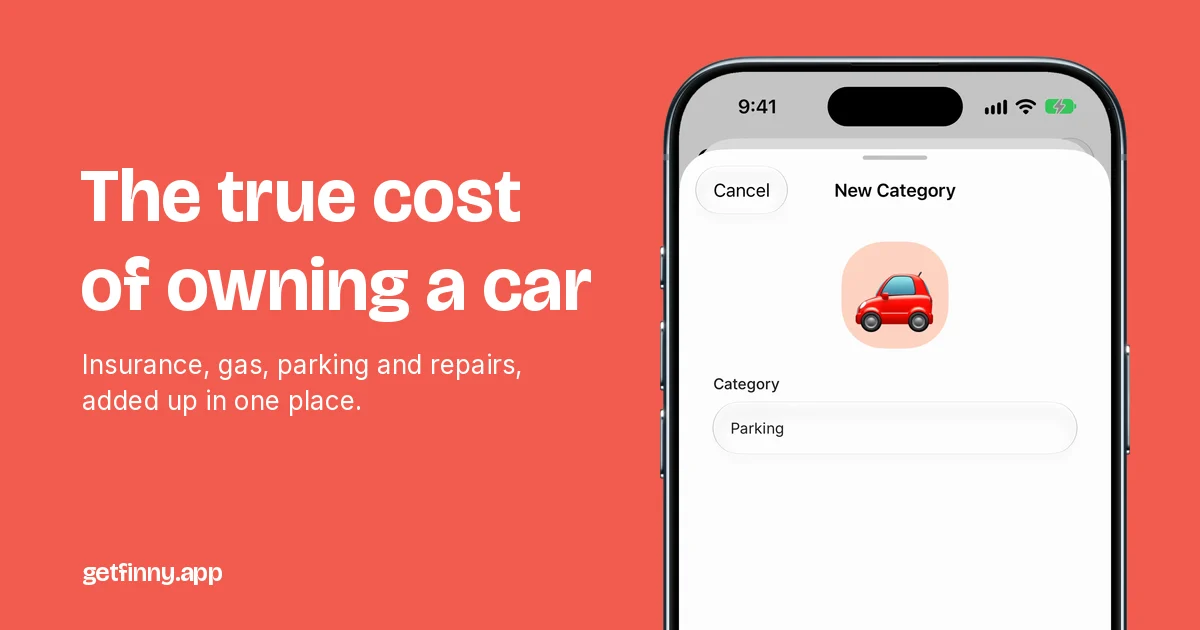
Start by making your own category for dog spending. In Finny you can create a category, name it, and give it an emoji icon, so a "Dog" or "Pet" bucket sits next to your other categories with its own total. The catch is that dog costs do not always fit one bucket: dog food often lands on a grocery run, and boarding can look like travel.
That is where a hashtag helps. Add #dog to the vet bill, the food order, and the boarding stay, and the tag groups them without changing your category totals. Search #dog in History and the result shows the dog's total for the period, split by category and payment method. Adding tags needs Finny Pro (a low monthly or yearly price); searching and seeing tags is free. Our sibling post on subcategories vs tags explains when to use which.
If logging every vet bill and pet store run sounds tedious, this short video shows how card payments get logged as you make them:
Check the total once a quarter. If it runs above plan, the biggest line is usually boarding or food.
Common Questions About the Cost of Owning a Dog
How much does a dog cost per month?
For a medium-size dog, Rover's 2026 report estimates $145 to $505 a month. Small dogs usually sit near the low end and large dogs near the high end. The monthly figure leaves out one-time setup costs and emergencies, so add a separate monthly amount for an emergency fund. Setting aside $50 to $100 a month on top of routine costs is a reasonable starting point for most households.
What are typical first year dog costs?
Rover puts 2026 upfront costs at about $1,195 to $4,650, and a puppy's first year of care at roughly $1,460 to $6,745 on top of that. Adopting from a shelter is usually cheaper upfront because fees often include spay or neuter, a microchip, and first vaccines. Breeder prices alone can run $675 to $4,440 before you buy any supplies.
Is pet insurance worth the cost?
It depends on your savings. NAPHIA's 2026 report put the average US accident and illness premium for dogs at $836 a year in 2025. If a $3,000 to $5,000 emergency would go on a credit card, insurance usually brings peace of mind. If you have a solid emergency fund, self-insuring can work. Either way, compare deductibles, reimbursement rates, and exclusions for pre-existing conditions.
What is the cheapest way to budget for a dog?
Adopt rather than buy, choose a size and coat that match your budget, and learn basic grooming at home. Buy food in larger bags once you know what your dog tolerates, and keep up with preventives, since prevention costs far less than treatment. Most important, track spending for a few months so your dog budget reflects real numbers rather than guesses.
Know your dog's real yearly number.
Finny helps you log vet bills, food, and boarding in seconds, set reminders for recurring pet costs, and see your dog's total in one search, with no bank connection required.